
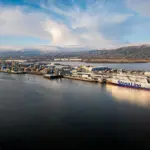

Dunkerque launches sustainable development plan
The French port reform of July 2008 gave ports a new role in the area of sustainable development. Dunkerque-Port’s strategic plan, approved on 3 April 2009, forms part of the port’s policy of sustainable development and action; it identifies the various areas of the port, particularly those which affect environmental protection, and specifies the procedure for managing them.
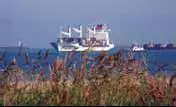
The issues at stake are enormous because the port occupies 17 kilometres of sea frontage and covers an area of more than 7,000 hectares, 3,000 of which are still available for new development. The port’s strategic plan focuses on the preparation of a Sustainable Development and Action Plan (PA2D), the port of Dunkirk being one of the first major sea ports to launch such a document. This complex project will involve collaboration between many partners. The Board of Trustees has therefore proposed that the Development Board, chaired by Philippe Bertonèche, draw up the PA2D and act as the interface between institutional members and technical partners. The Development Board will prepare the documents to be approved by the Board of Trustees and the supervisory authorities. A technical group has been set up, supported by the technical departments of the port and specialist consultants. This technical group is composed of 17 members, including members of the Development Board, representatives of government departments, qualified persons and elected officials of the Dunkirk area, the Region and the Department. Work began on 21 January 2010 and will comprise five phases over two years, a shared diagnosis forming the first stage. The PA2D will be drawn up with support from the specialist team of Landwell and Associates and Price Waterhouse Coopers, steered by Mme Bettina Laville, the French specialist in questions of sustainable development. The framework of the PA2D addresses five topics:
• Combating climate change, energy, industry
• Urban dynamics, management of water, biodiversity, the natural environment and landscapes
• Prevention of natural, technological and health risks (air and waste)
• Transport
• One particular topic will be developed on governance. The future issues surrounding the ports and their consolidated transport systems are crucial in inter-regional economies, and their scheduling is a future priority for the port.
This is the aim of the initiative launched by the port of Dunkirk.
Related Articles
 ALTERNATIVE FUELS GREENPORT
 NEWS
NEWS