![PortStrategy[GreenPort]](https://www.portstrategy.com/wp-content/uploads/2026/09/PortStrategyGreenPort.svg)






A port with purpose
Cornwall Marine Network’s Paul Wickes explains how Falmouth achieves far more than the sum of its parts
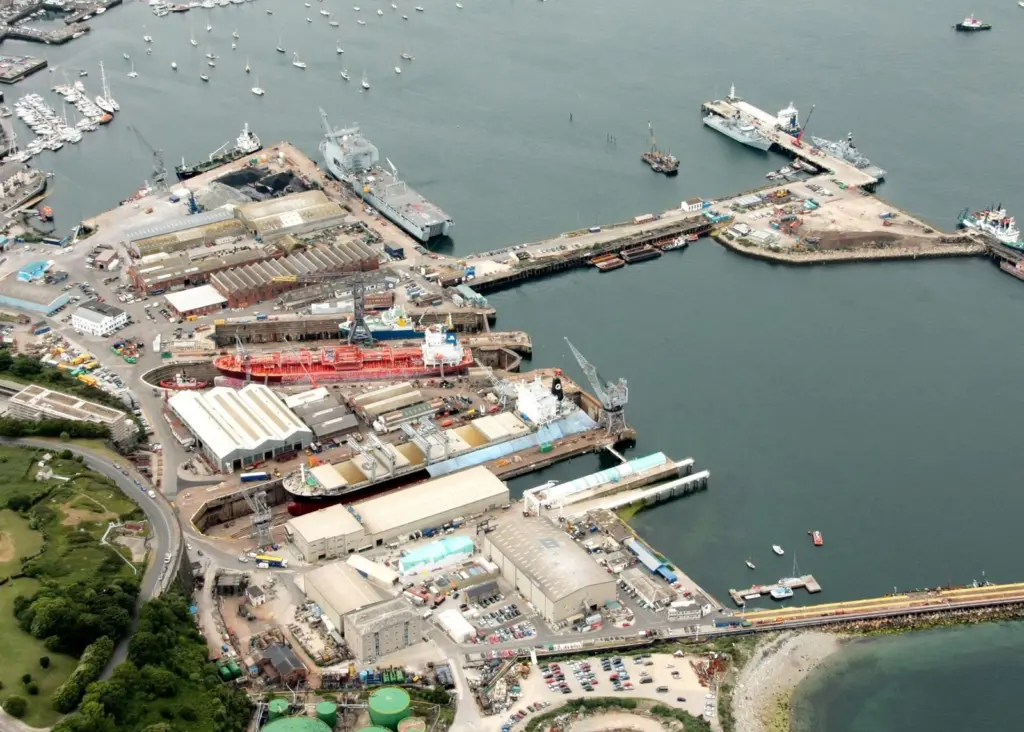
Falmouth’s strategic location, and the entrepreneurial and collaborative spirit of its community enables its port to punch well above its weight, making it a significant contributor to Cornwall’s marine economy and seafaring culture.
It is the third deepest natural harbour in the world and has long been a hub for maritime businesses, valued at £250m per annum. The sector provides 5,000 local jobs – nearly 20% of the local population – and not just for those who work at the harbour itself, but contractors and the businesses serving the many visitors that flock to Falmouth by sea each year.
This thriving maritime economy is especially vital given Falmouth’s setting ‘at the end of the line’ in Cornwall, which is still one of the poorest areas in the UK with a GDP of 61.2% of the national average in 2012, and one of four UK areas that qualifies for poverty-related grants.
The current Falmouth marine community is diverse and includes everything from global superyacht builders, marine engineers, specialist overwater drilling and marine construction to mooring, transport of recycling materials and the development of eco-energy – both wave and wind power. It is this diversity and the unparalleled level of partnership working between marine-based companies that keeps the harbour thriving as a working port, year round.
This collaborative spirit has brought about the now well-established Cornwall Marine Network (CMN). Falmouth-based, CMN was created by local marine businesses to provide specialist business support to the sector member businesses. It supports members through training, marketing and through the creation of the Marine Offshore Renewables Group (MOR), the Cornwall Apprenticeship Agency and the Cornwall Marine Academy, all of which have strengthened the marine community, helped local marine-based organisations grow and contribute further to the Falmouth marine economy.
Collaborative management
The Falmouth Business Improvement District, a not-for-profit company responsible for delivering many innovative projects that aim to improve the trading environment of Falmouth, recognises how key the marine industry is to Falmouth and the valuable contribution to the local economy it represents. It works closely with the docks, CMN and other local businesses to develop strategies to distribute income, so that the whole town feels the benefit of the wealth that visitors bring in.
It is a strategy that works and is highly valuable in terms of community relations and a collaborative approach to town management. So much so that Falmouth has been recognised with accolades such as ‘Best Coastal Community’ in the Great British High Street Awards, and makes a regular appearance in the Sunday Times’ annual ‘Best Places to Live’ list.
I’m sure all of us have marine colleagues across the world who live in career-driven locations, which do not necessarily add to their lifestyle and wellbeing, but are simply the place where they have to be for their job. This is not the case in Falmouth. These recent accolades recognise the joined-up thinking, collaborative working and community spirit which sets Falmouth apart from many of its coastal counterparts – and the ‘feel’ of that spirit is infectious and palpable.
Falmouth is admired as a port with a purpose. That its thriving local community works together for the greater good of Falmouth is a shining example of how, when community relations work well, it achieves far more than the sum of its parts.
Paul Wickes is chief executive of Cornwall Marine Network.
Related Articles
 PORT TALK
 PORT TALK
 PORT TALK