![PortStrategy[GreenPort]](https://www.portstrategy.com/wp-content/uploads/2026/09/PortStrategyGreenPort.svg)






Flexible infrastructure key for UK ports
Flexible infrastructure at UK ports is essential to accommodate the changing needs of growing businesses, a warehouse specialist has stressed.
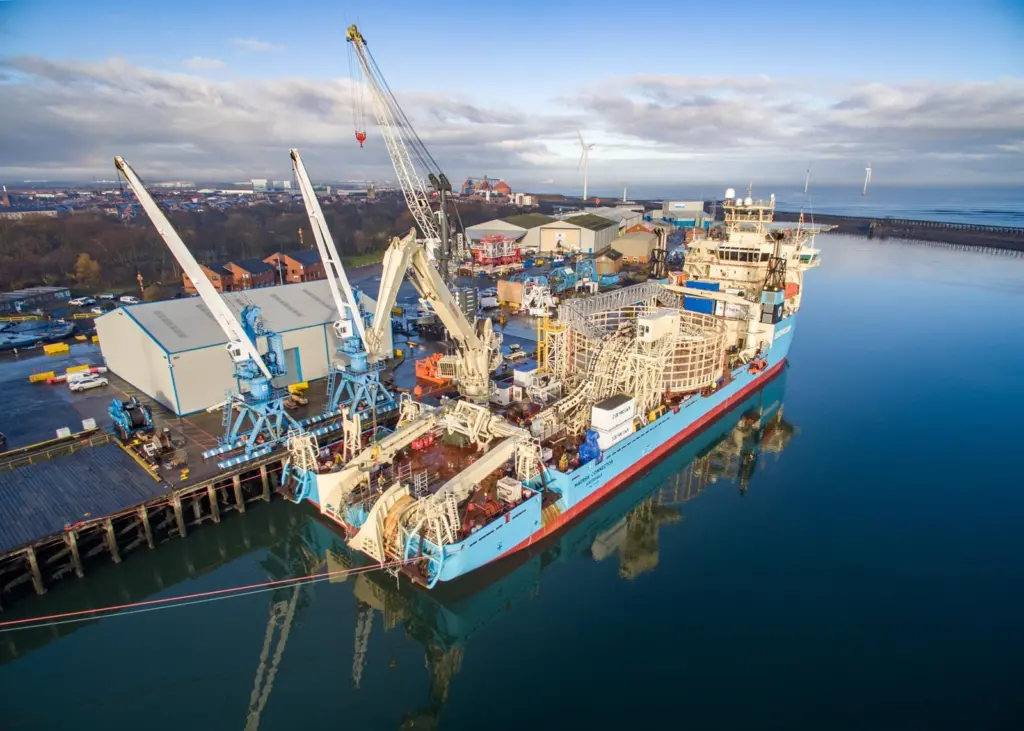
The Port of Blyth is set to make a £12m investment in new warehouses and port infrastructure, while London’s Tilbury2, due to be being operational in the summer of 2020, will have a new large storage area to support transport developments and increased ferry traffic, which port warehouse specialist Rubb Buildings said points to the importance of flexibility to ensure ports can accommodate businesses’ operational needs.
Rubb Buildings said using long-term, semi-permanent fabric structures for warehouses is a sustainable solution as it helps ports “save on costs” and adapt to the “changing requirements of the end user”, such as custom-designed structures.
Relocatable buildings
The benefits of fabric-clad port and marine buildings include flexibility of design, speed of project completion and low running costs due to the minimum maintenance required for the structure and naturally-bright interior, emphasised the company.
Rubb Buildings has a long-term working relationship with Belfast Harbour and said the harbour has found that a modular-designed, durable fabric building is easily-relocatable and extendable.
Through the fast-growing development of offshore energy related activities, the Port of Blyth has seen rapid growth and adapting to the changing environment of growing business is going to be key for its expansion, with new warehousing a major focus, said Rubb Buildings.
Related Articles
 PORT & TERMINAL NEWS
 EXPANSION & DEVELOPMENT
 PORT & TERMINAL NEWS