

From Engineering to Operations
Portek’s chief, Larry Lam is making inroads into terminal operations. He spoke to Dave MacIntyre.
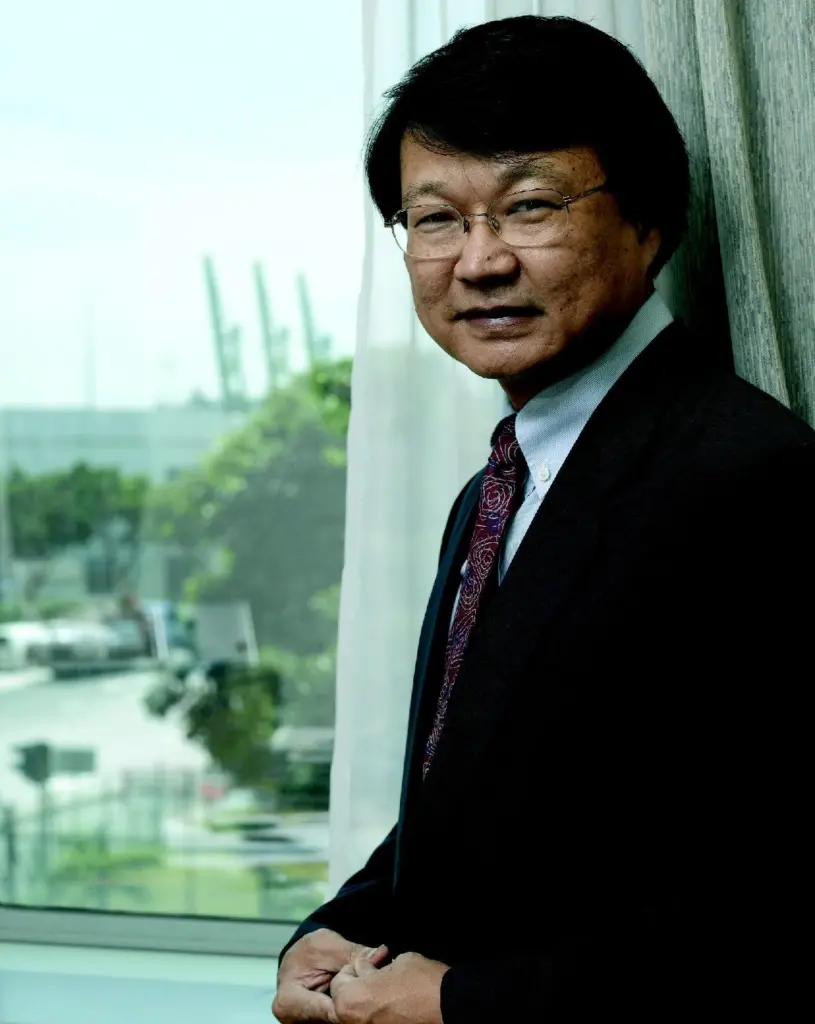
Larry Lam has had to change his company slogan of late. It used to be “knowledge and solutions in port equipment.” But now, as Portek expands from its core base of port equipment sales and leasing, maintenance and modifications, he has had to think more towards “knowledge and solutions in port business”.
It is not that Portek has abandoned the business sectors that gave the company solid growth since its inception in 1988. Rather, Lam has recognised that a niche exists for port operators below the level of the Hutchisons, PSAs and P&O Ports. Someone who can operate the smaller terminals, which lack the engineering and management expertise to get the best out of their land and equipment.
As a result, Portek is forging ahead with new business in terminal operations winning concessions in Algeria and Indonesia (three), plus a management contract also in Indonesia. Already, the terminal operations business accounts for 16% of Portek’s revenue stream.
The strength of Portek’s core engineering business is underscored by the fact that sales of equipment and components still represent 62%, while crane modifications, mobilisation and modernisation (this latter an interesting further area of specialist expertise) account for a solid 10%.
Lam emphasises that the engineering raison d’etre of Portek will remain strong but he is bullish enough on terminal operations prospects to say that he hopes these will form 30% of the business within the next three years. The question is how has the engineer risen to become the manager? Lam’s answer is that the expertise Portek holds in one area has produced the opportunity to leverage its skills in a wholly complementary role.
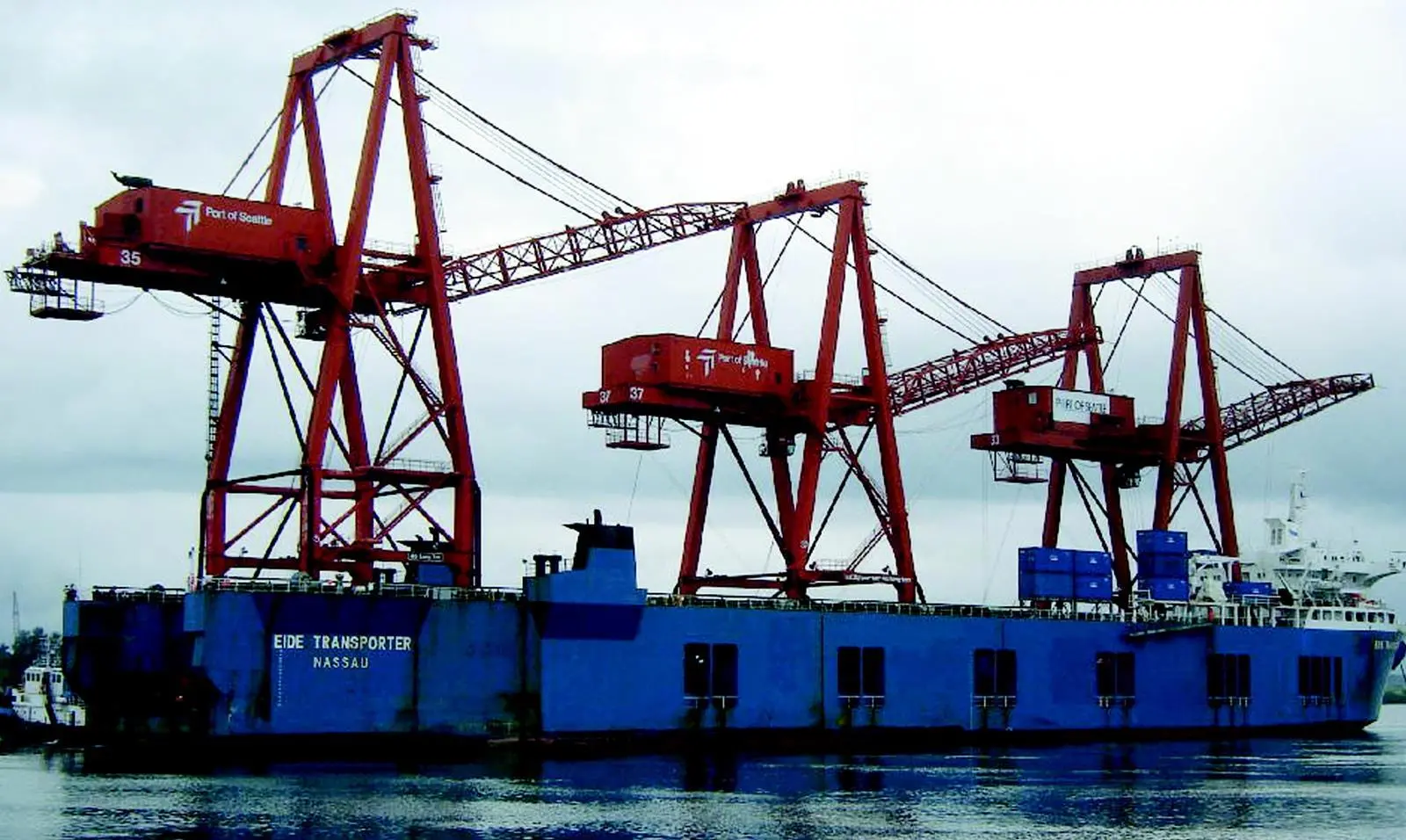
“We have a comparative advantage in that the ports and terminals are already our customers. We know their business and know their needs, ” he says. “With the smaller ports, of about 100,000 TEUs and less, our core engineering expertise means we work with them to supply and maintain their equipment, and perhaps to modernise their cranes.
So if they see an opportunity to expand or re-equip, and they face a big time lag in waiting 18 months or two years for a new crane to arrive, by turning to us they don’t need to wait as long. We have cranes all over the world and can deploy them in six months. And we can modernise their equipment, giving extra height or reach to their cranes.
“If they want us to run the operation, we can both plan for what equipment suits their needs best, and then supply it. Then we can maintain it and modify it and design their terminal around it to offer the best results.”
After starting Portek with a largely Singapore-based team of engineers in 1988, Lam saw the company grow to become a leading provider across the entire spectrum of engineering and technical services to ports, including sale or lease of refurbished pre-owned equipment, modernisation and automation services such as drive upgrades and position-determination systems, surveillance systems and comprehensive maintenance.
Geographic influence spread beyond Asia to the Middle East, the Mediterranean and the Americas and in March 2002 Portek became a publicly-listed company on the Singapore Exchange. The stability of the company is shown by the fact that many of the employees who became initial shareholders have held onto their scrip to this day.
In the early 1990s Lam foresaw the China boom and considered entering terminal operations. Caution with his then-fledgling company got the better of him but when another opportunity arose in Indonesia in 2000 he snapped it up.
“We came to realise that we are able to contribute even more to the overall efficiency of the global container logistics chain by improving the efficiency of the small-to-medium-sized feeder terminals as their operator, ” he says. “Such efficiency improvements undoubtedly play a pivotal role in increasing the overall effectiveness of the hub-and-spoke pattern of container shipping which prevails today.”
Terminal concessions achieved so far fit Portek’s strategy of looking for deals in smaller ports. The pre-requisites are long-term concessions, joint ventures and risk-sharing.
A ten-year joint operations concession in Makassar, Sulawesi, adds to a 14-year equipment operations concession in Terminal 009 in Jakarta, and a 20-year management contract in Banten, West Java. Total combined throughput at these terminals in 2004 was almost 400,000TEUs, more than doubling that achieved in 2003.
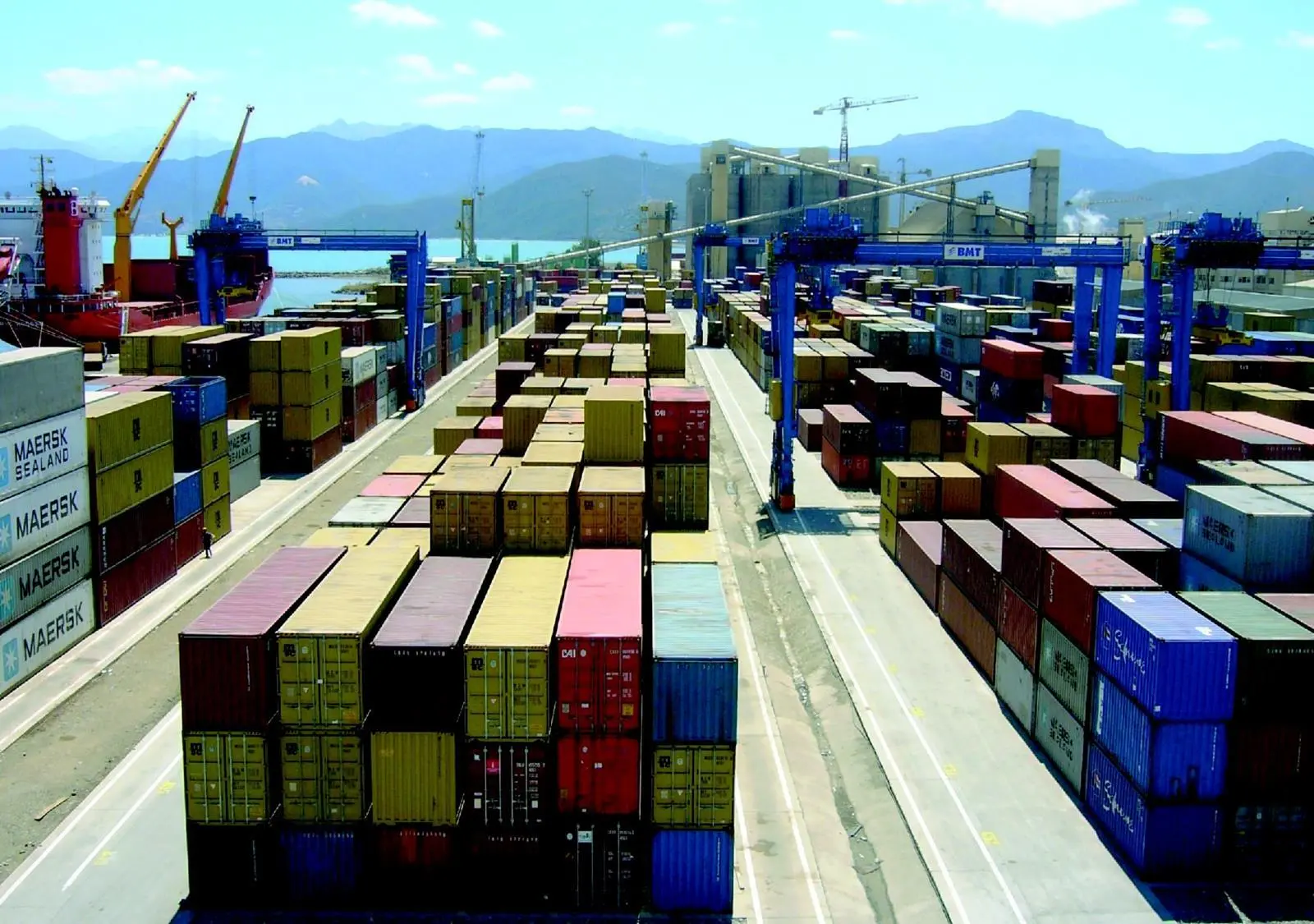
In August 2004, Portek entered into a joint venture agreement with Enterprise Portuaire de Béjaïa for the formation of a joint venture company (BMT) to operate a 20-year concession for handling container and bulk cargo at the Algerian port of Béjaïa. Currently Portek is awaiting word on a tender for another terminal operation concession this time in Guam.
“Portek sees a natural synergy between terminal operations and cargo handling, and equipment leasing and maintenance, and will be looking at other opportunities in terminal operation and cargo handling where appropriate, ” says Lam. Nonetheless, he underlines the leveraging of the core engineering business does not mean the importance of that discipline is in any way downgraded. Rather, he sees the engineering business gaining further from current shipping trends.
Demand for Crane Moderation
“There is increasing demand for equipment modernisation and modification services as a result of larger ship sizes and need for higher productivity. Both these factors could persuade more terminal operators to adopt the more cost-effective solution of structurally modifying existing equipment (raising heights and extending booms) rather than buying bigger and more expensive new equipment.
“Container traffic in many parts of the Asia Pacific Rim has been increasing at double-digit growth rates annually for the past decade.
Container crane population is expanding rapidly to meet demand.
Portek’s engineering role helps container and bulk terminals achieve maximum equipment reliability, minimum downtime and make up for equipment shortfall by rapid deployment of badly-needed equipment.”
Asked if Portek’s team had to change their mindset in moving from ‘engineer to operator’, Lam concedes they did but insists this ability to alter thinking patterns is crucial to the company’s ability to seize opportunities in different sectors. “Our frontline engineers are specialists in their particular fields of power electronics, digital controls or civil, structural and mechanical engineering. Their knowledge is multi-disciplinary and they’ve been trained to approach a problem, not just from the narrow perspective of their own specialty, but also from different angles of various disciplines.
“Similarly, our sales, marketing and terminal operations staff are equally versed in thinking ‘outside the box’ and delivering innovative solutions to all our stakeholders.”
It is not surprising therefore to discover Lam is already turning Portek to look at new horizons. He sees a further chance to leverage the group’s engineering skills by moving into the energy sector.
Opportunities here would include power generation and leasing and maintenance operation of equipment in the oil and gas sectors. “Our core competencies in drive-system integration, crane control and automation can be deployed in the energy sector in the form of revamping and operating power plants and implementing control and monitoring systems for oil and gas installations, ” says Lam.
While being a stable company, this refreshing of its horizons is essential to success, he says adding: “For a knowledge-driven company, continuity of people is a key to success. Here in Portek we make a conscious attempt to renew ourselves. This means nurturing the younger employees and giving them responsibilities to keep them challenged. The pioneering spirit is maintained and passed on. New business directions are charted and new market territories explored.
“This way we ensure that our employees are able to realise their own career and personal development potential and, ultimately, ensure that Portek remains dedicated to delivering value.”
Related Articles
 EQUIPMENT
 PORT & TERMINAL NEWS
 PORT & TERMINAL NEWS