

Deepening Woes
Melbourne’s much-needed dredging programme is still a long way off becoming a reality.
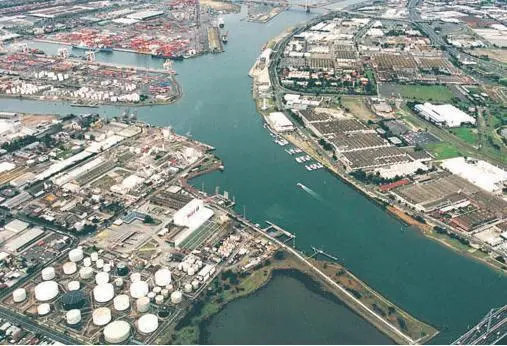
The long-running saga over when – or whether – Australia’s largest container port of Melbourne will be able to deepen sections of its shipping channels to accommodate vessels of up to 14 metres draught at all tides continues to rumble on.
Melbourne has long been aware of the pressures created by the need to accommodate large container ships, including post-panamax vessels.Currently, about one in four containerships leaving the port cannot load to full capacity as sections of the bay are too shallow.
If the channel is not deepened there is concern that Melbourne might lose business to the ports of Adelaide, Brisbane and Sydney, all of which now have deep water access.
The planning and consent process has reached the point where the Victorian Government has released a supplementary environment effects report which includes data from more than 40 technical studies and a trial dredge.
An independent, three-member panel was due to begin conducting public hearings at press time and was expected to take around two months.Meanwhile, the Victorian Government rejected a request from the Green Party to extend the deadline for public participation and detailed response to the 15,000-page report.
The Greens labelled the channel deepening issue “the most significant and controversial proposal in terms of cost and potential environmental impact ever put before the Victorian people”.
The party has also questioned the economic benefits that channel deepening proponents claim will come from the deepening.
However, such thoughts are not shared by transportation industry players. Mark Rowsthorn, managing director-designate of Asciano, the new Toll Holdings’ offshoot in the ports and rail sector, has weighed into the debate saying it is a “crying shame” it is not up and running already.
“Melbourne needs it,Victoria needs it and of course Australia needs it to cater for larger vessels that go around in global trade.
“Melbourne is a most important port, so we have to push very hard for that,” he says.
Related Articles
 WORLD
WORLD
 PORT & TERMINAL NEWS
 PORT & TERMINAL NEWS