



Early catastrophes sound warning bells
Across the insurance market, the tide is beginning to turn as the money begins to burn.
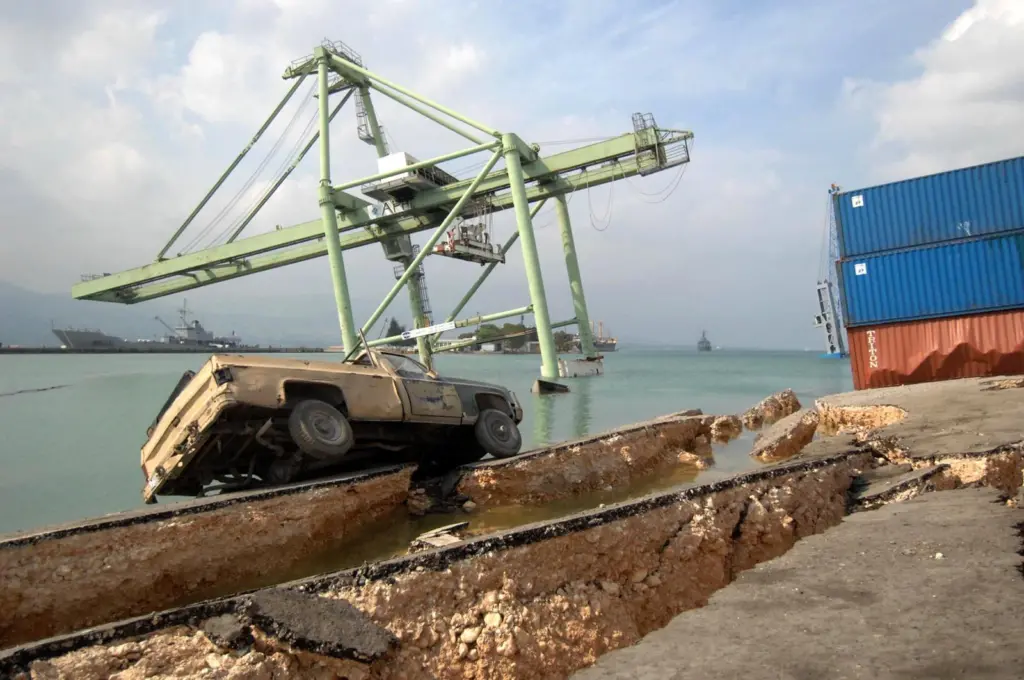
It has so far been a year of huge catastrophes, and this means that insurers and reinsurers are paying substantial claims, and redoubling their efforts to secure rises in premium rating.
Insurers are facing substantial spin-off exposures after the pollution-inducing explosion and sinking of the rig Deepwater Horizon in the Gulf of Mexico, which looks to be a market-changing event because it involves so many of the leading carriers.
The oil spill will see claims that have been estimated at a total of anywhere up to $3.5bn, against a range of Lloyd’s, London, Bermudan and US insurers and reinsurers, and a series of lawsuits which means they will have to ensure they have plentiful reserves. Together with the impact of the Chile earthquake, and the background warning from the even worse tremor that hit the drastically underinsured nation of Haiti, this has made underwriters more determined to halt the recent gradual downward slide in premium rating.
All this is ahead of what could be, following a couple of fairly benign years, an above-average Atlantic hurricane season, which will underscore the case for dearer insurance for wind-exposed ports and terminals.
Another ingredient in the mix, trade disruption insurance has swung into focus following the chaos evoked by the eruption of Icelandic volcano Eyjafjallajökull. This was primarily a blow to air freight, but highlights the danger to interruption of supply chains with all parties along the path suffering. Policies normally name specific perils, involving marine delay, and volcanic ash has not figured in the list, although it may well do from now on. The test for a policy of this type to click in is usually that the insured suffers property damage.
Insurance carriers are now looking to adjust their wordings to include volcano ash risk, although as always there will be an additional price for this. Amid this heightened activity, most business officials in the ports industry will be able to argue that their low-claims record should be rewarded with renewal as at expiry, and they will certainly need to demonstrate that their risk management systems are fine-tuned and updated.
Related Articles
 THE INSURER
 THE INSURER
 THE INSURER