




Emissions tool assesses energy solutions
An energy and emissions management tool is predicting costs and benefits of energy storage solutions at terminals.
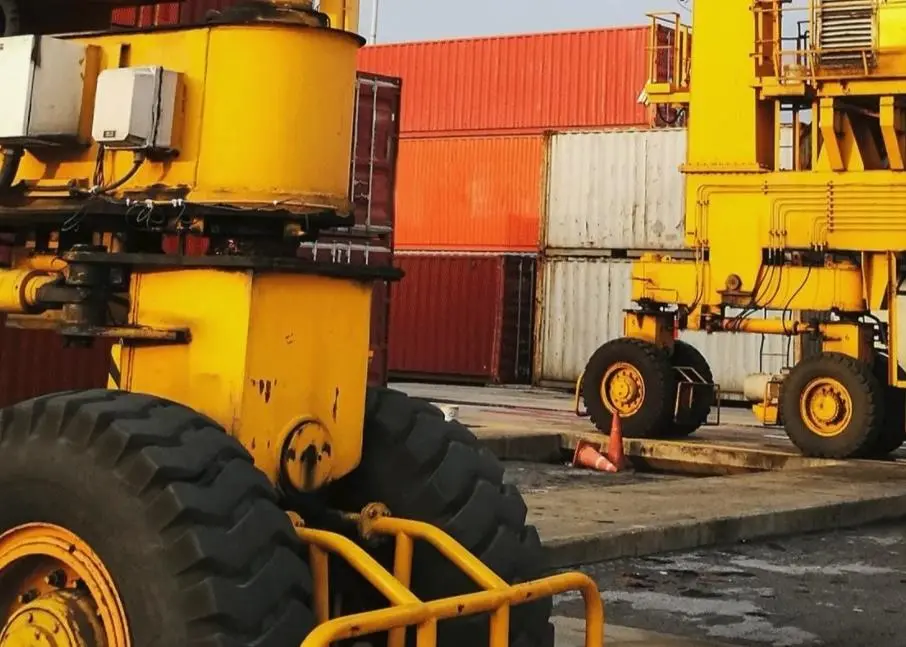
Royal HaskoningDHV’s tool is currently being assessed in collaboration with several of the company’s UK-based clients and has received interest from the funder of a container terminal project in North Africa.
Michael Banks, principal mechanical engineer at Royal HaskoningDHV, said: “By populating the tool with the individual requirements of each container terminal we are able to create a baseline measure for total energy used – this can be tailored to each client.
“The tool then allows us to run a number of scenarios using different energy efficiency solutions so we can work out what is the best option for that individual terminal.”
Cost analysis
The tool accounts for the local power, fuel and construction costs.
Royal HaskoningDHV developed the tool following the start of a three-year SusPorts pilot programme with CRESS, the University of Reading and the Valenciaport Foundation, in January 2014.
Royal HaskoningDHV said that by applying the tool’s recommendations, the average crane’s fuel consumption can be reduced by up to 50%.
Diesel saving
For a typical container terminal with around 90 RTGs, that would equal a saving of around 4.5m litres of diesel per year, as well as enabling port operators to recoup fuel savings of around €2.7m, it explained.
Mr Banks said Royal HaskoningDHV is talking to port operators about developing the tool further and potentially adapting it for other port equipment with similar problems.
He stated: “From the feedback we have received it’s clear that there is plenty of mileage in the development of this tool to radically change the way port operators improve energy efficiency in the future.”
Related Articles
 EQUIPMENT
 ALTERNATIVE FUELS GREENPORT