

Port of Açu and Yamna have signed a land reservation agreement to develop a green ammonia plant in Rio de Janeiro, advancing Brazil’s port infrastructure for alternative fuels.

The plant, Yamna’s first project in Brazil, will produce up to one million tonnes per year (1MTPA) of green ammonia, utilising the country’s vast renewable energy potential.
“We are thrilled to welcome Yamna to Port of Açu for their first green ammonia project in Brazil,” said Mauro Andrade, Executive Director of Business Development at Prumo. “This initiative positions the port as a leader in green hydrogen and ammonia production.”
Energy hub
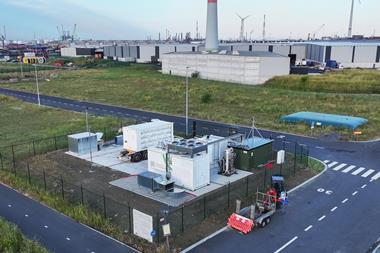
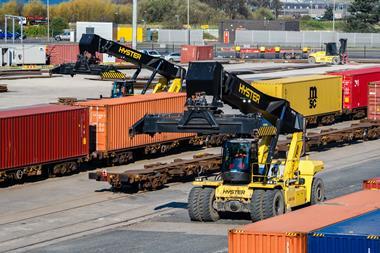
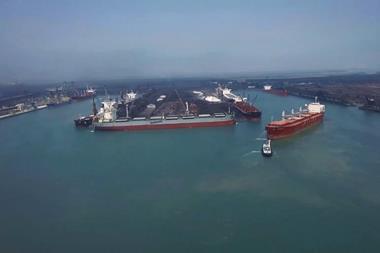
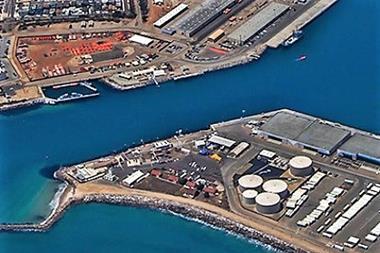
Port of Açu, owned by Prumo Logística and Port of Antwerp-Bruges International, is Brazil’s leading industrial energy hub, with 3 million square metres now allocated for green hydrogen projects.
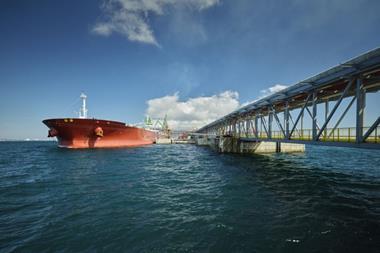
The port’s deep draft, direct quay access, and robust service cluster make it an ideal location for sustainable energy innovations.
“This milestone underscores Yamna’s commitment to leveraging Brazil’s renewable energy capacity to produce and export green ammonia, helping drive the global energy transition forward,” said Abdelaziz Yatribi, CEO, Yamna.
The Port of Antwerp-Bruges International said that in order to become a climate neutral port in 2050, its partnership with Porto do Açu is invaluable.
”We see Açu as the flagship project for the set-up of a green corridor, producing and exporting green molecules from Brazil to Belgium,” said Kristof Waterschoot, CEO Port of Antwerp-Bruges International.
”Yamna’s presence at Port of Açu further reinforces the strength of this initiative, exemplifying the kind of pioneering collaboration needed to drive the global energy transition forward.”
Slated to start production in 2030, the facility will help support the global energy transition by meeting growing demand for green hydrogen derivatives.