Robert van Muiden, of Van Uden Bulk Logistics, believes many power plants would revert to coal if subsidies were to be cut.
“A lot of imports of biomass are subsidised by governments to encourage this, because we all have to cut back on emissions,” he says. “But with the euro crisis, you will see a lot of this subsidy stop.
“There is a great deal of uncertainty about subsidies. The logistics costs are already higher because this is such a voluminous product; the loss of subsidy would add even more cost.”
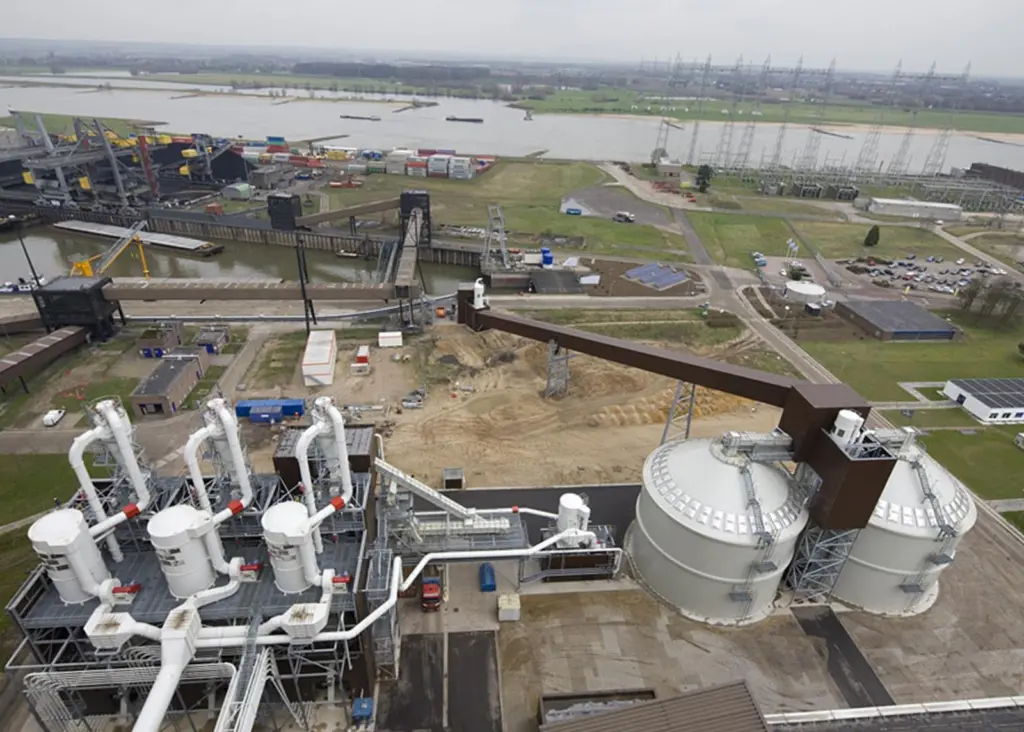
Van Uden Bulk Logistics is importing wood pellets through the Port of Rotterdam for several power stations; these mainly trial shipments generally move inland from the port by river barge.
The British government’s Renewables Obligation Certificates (ROCs) are currently under review, with new bands expected to be confirmed by mid-2012.
Andrew Moffat at the Port of Tyne says: “The finalised ROCs and level of subsidy will have a very important impact on the development of the market. There is a little bit of stalling at the moment (in the move to biomass) but I think we will see rapid growth again.
“The power companies need to know what level ROC subsidies will be set and also, very importantly, for what period those subsidies are guaranteed. If they are making modifications to power stations, it would be for a ten to 20 year life. They have to make sure the fuel they are using to generate electricity is going to be at a price where the numbers stack up.”
Coal imports through the Tyne peaked at 3m in 2008, then fell back following the global crisis, as demand for power went down and customers destocked. Coal bounced back last year, to 2.2m tonnes, largely because coal prices came down relative to biomass, before the ROC support is confirmed.
“Biomass has the potential to equal and even exceed our peak imports of coal,” says Mr Moffat. “We think that a mix of coal and biomass will continue, but it may well end up being dominated by biomass.”