
In 2012, both containers (1.3m teu) and liquid bulk (9.7m tonnes) fell, by 3.1% and 9.7% respectively, while dry bulk increased 26.4% to 6.5m tonnes.
“We are cautiously optimistic about throughput in 2013 and are expecting container throughput to be on par with that of 2012,” says Tony Boemi, the port authority’s vice president, growth and development. Indeed, for the first two quarters of the current year, there has been a 4.85% increase in total volume compared with the same period in 2012.
The decline in liquid bulk traffic was mainly attributable to a decrease in imports of petroleum products, a sector of activity that had enjoyed an exceptional year in 2011. The decrease resulting from the return-to-normal volumes of petroleum products traffic was offset to a degree by increased volumes of ethanol, asphalt, naphtha and molasses. The result meant that 2012 was the port’s second-best year in the liquid bulk sector.
And first half 2013 traffic is up 12.9%, with all petroleum companies experiencing an increase in volume as consumer demand grows.
“Long term expectations are extremely positive. The port of Montreal is a hub for the petroleum industry, with pipelines connecting western Canada and Montreal. The reversal of the Enbridge pipeline to Montreal from Sarnia will have a significant impact on the liquid bulk volumes expected in 2014 and beyond,” says Mr Boemi.
The 26.4% increase in dry bulk in 2012 he attributes mainly to the fact that Viterra Inc completed its first full year as the operator of the port’s grain terminal. Operations were transferred from the port to the private operator on July 1, 2011.
“This move helped substantially increase the amount of grain traffic moving through the port and improved the grain terminal’s competitive position,” he says, noting that grain traffic alone increased by 76.3% to reach 3.1m tonnes.
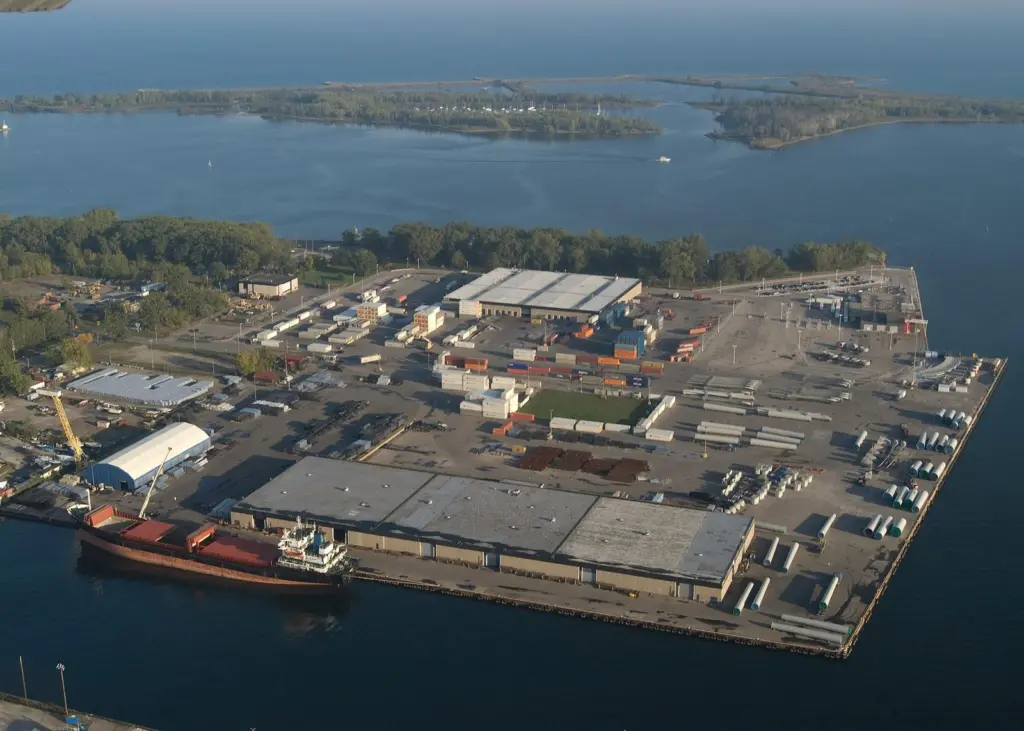
For Toronto, in terms of dry bulk, last year 543,048 tons of cement, 386,422 tons of salt, 117,317 tons of aggregates, 44,164 tons of stone and 647,200 tons of sugar passed through the various terminals, giving a total of 1.8m tonnes. “The most notable increase between 2011 to 2012 was a 23% increase in sugar and a 12% increase in cement. Again, for 2013, we are expecting variations between commodities compared to last year; it all depends on local demand,” says the port’s deputy harbour master, Michael Riehl.