


Nuclear power could reshape UK ports
A new BPA and Lloyd’s Register report is urging ports to assess advanced nuclear technology for future energy and infrastructure needs
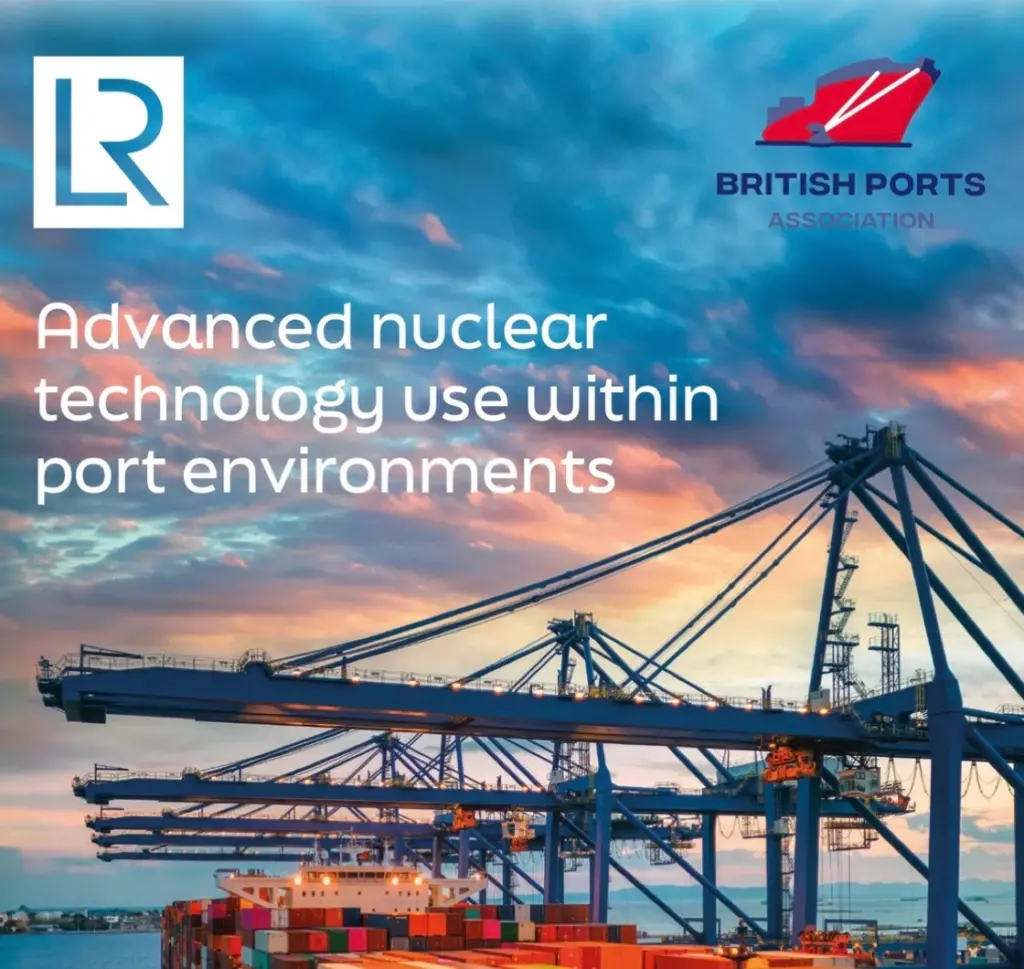
UK ports should begin planning for advanced nuclear technology now, treating it as a long-term infrastructure and operational issue rather than simply a new marine fuel, according to a joint report from the British Ports Association (BPA) and Lloyd’s Register (LR).
The paper, ‘Advanced Nuclear Technology Use Within Port Environments’, examines how nuclear power could provide reliable, low-carbon energy while opening new maritime and industrial opportunities. Potential applications include nuclear-powered ships, floating power units and land-based small modular reactors to supply port operations and fuel production.
“For ports, the opportunities for advanced nuclear go beyond receiving a nuclear-powered ship,” said Richard Ballantyne, BPA chief executive.
“They are already planning for significant changes in energy demand, infrastructure and the vessels they serve. Advanced nuclear may not be the right solution for every port, but it is important that the sector understands the potential applications and starts asking the right questions early on.”
The report identifies regulatory alignment, emergency preparedness, liability, insurance, workforce skills and public confidence as key challenges to safe, commercially viable deployment.
It recommends incorporating nuclear scenarios into existing marine safety-management systems, building on established procedures for hazardous cargoes, security zones and high-consequence operations, while adding nuclear-specific safeguards and regulatory oversight.
Beyond vessel visits, advanced reactors could supply electricity and heat for shore power, cargo handling, cold storage, hydrogen production and synthetic fuels. Ports could also develop specialist capabilities in reactor-module integration, maintenance and decommissioning.
“Advanced nuclear has the potential to transform ports from energy consumers into resilient, low-carbon energy and industrial hubs,” said Mark Tipping, global offshore Power-to-X director at Lloyd’s Register.
“But realising that opportunity will depend on more than technology alone. Ports need to further assess governance, proportionate assurance and early collaboration across the maritime and nuclear sectors.”
The report proposes a tiered readiness model, ranging from ‘nuclear-aware’ to nuclear-enabled’, allowing ports to assess opportunities proportionately.
Recommended early steps include mapping stakeholders, reviewing energy demand and grid constraints, engaging regulators and communicating openly with local communities.
Related Articles
 ENERGY & TECHNOLOGY GREENPORT
 ENERGY & TECHNOLOGY GREENPORT
 ENERGY & TECHNOLOGY GREENPORT