

Bilbao leads European shore power review
Bilbao Port Authority has led the European review of shore power regulations, supporting consistent implementation and maritime decarbonisation
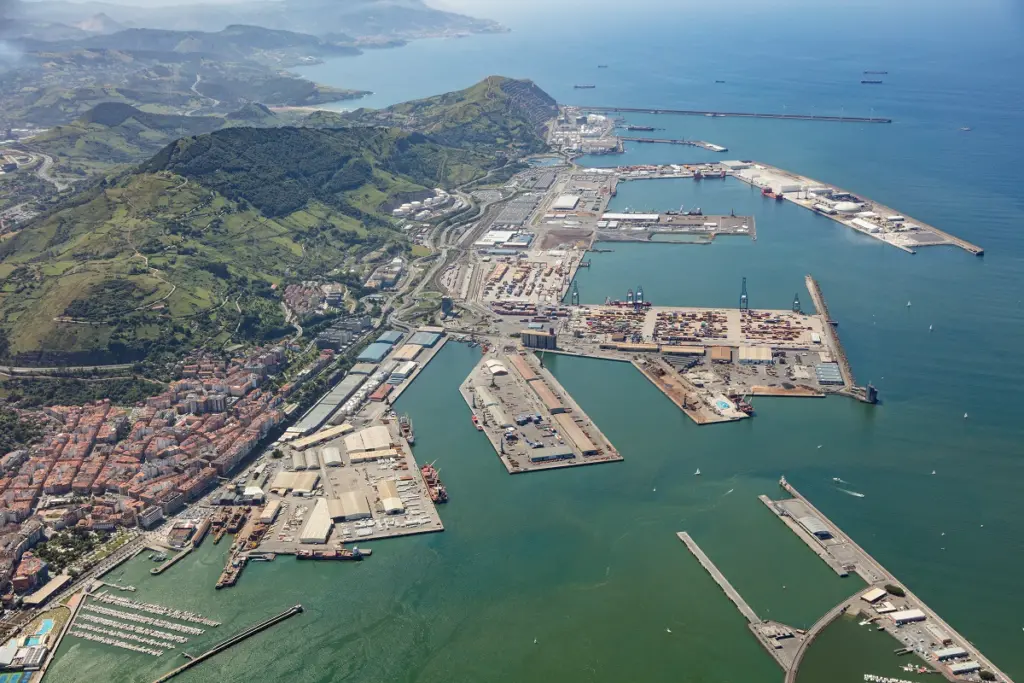
The Bilbao Port Authority has led a European Commission working group examining the implementation of shore-side electricity requirements under the FuelEU Maritime Regulation, with its findings now published by the Commission’s Directorate-General for Mobility and Transport (DG MOVE).
The authority chaired the group within the European Sustainable Shipping Forum, bringing together stakeholders from across the maritime and port sectors to assess operational, technical and regulatory challenges associated with supplying electricity to vessels at berth.
The resulting report identifies areas where further clarification or regulatory adjustments may be needed to support consistent and effective implementation across the European Union.
Its analysis considers scenarios including short port calls, equipment failures, technical incompatibilities, unforeseen circumstances and electricity price fluctuations. It also highlights the need to balance legitimate operational difficulties with the effective deployment and use of shore power infrastructure.
The report stresses the importance of a predictable and stable regulatory framework to support investment by ports, terminal operators, electricity suppliers and shipping companies, while ensuring effective use of infrastructure developed under the Alternative Fuels Infrastructure Regulation.
The European Commission has praised the work undertaken by the participants and the group’s coordination.
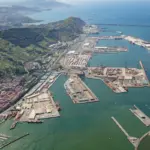
For the Bilbao Port Authority, the initiative reinforces its involvement in European maritime decarbonisation policy and complements its own investment in port electrification.
Shore-side power infrastructure is being developed at the Port of Bilbao to allow vessels to connect to the electricity grid while alongside, reducing reliance on auxiliary engines and cutting emissions, noise and vibration.
The authority is also working towards progressively integrating renewable energy into its electricity supply.
All facilities for the service are scheduled to become operational by the end of 2027. Funding is being provided by the Port Authority and through the EU’s Connecting Europe Facility, the Recovery, Transformation and Resilience Plan – NextGenerationEU, and the European Investment Bank.
Related Articles
 ENERGY & TECHNOLOGY GREENPORT
 PROJECTS & INITIATIVES GREENPORT
 ENERGY & TECHNOLOGY GREENPORT