


EXCLUSIVE: The implementation and competitiveness challenge
European policy makers have set an unprecedented series of important ambitions to pave the way for a net-zero, sustainable and resilient future
Europe aims to be the first net-zero continent by 2050, wants to achieve 55% GHG reductions by 2030 and has set itself the target to raise the share of renewable energy in the EU’s overall energy consumption to 42.5% by 2030.
European ports are supportive of these ambitions. Reducing emissions and pollution is without doubt a major KPI for ports in Europe. We clearly understand there is a sense of urgency to make progress and deliver. For us, it is now time to work on the implementation of what has been agreed.
A continuous dialogue
Looking in particular at the Fit-for-55 package, which sets measures to green the shipping sector and explains what both shipping lines have to do and what ports have to do, we will needed a continuous dialogue with the shipping lines and policy makers.
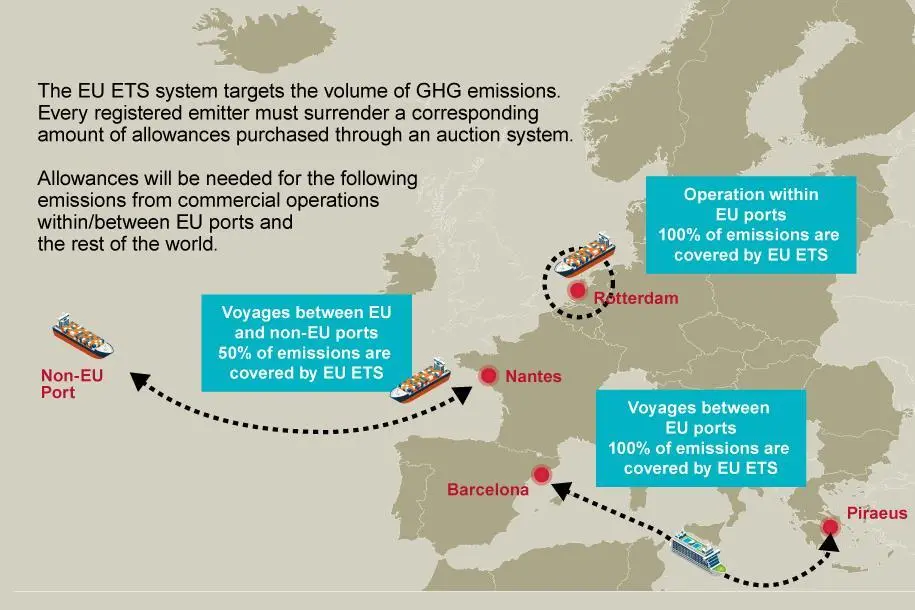
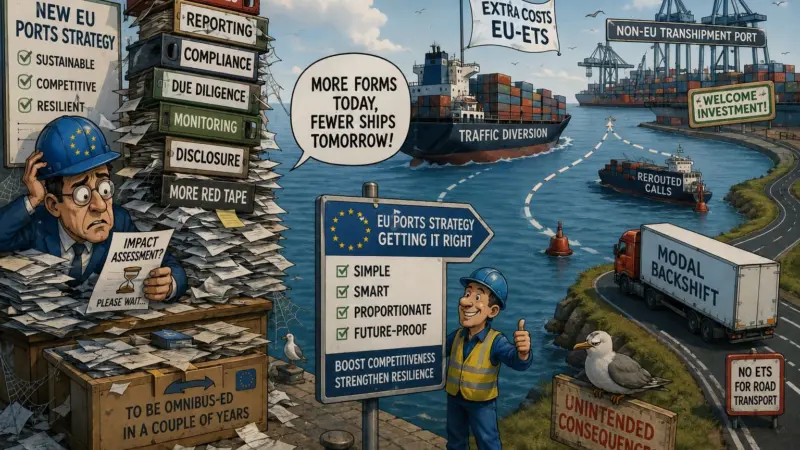
It seems at this stage impossible to select one technology or solution to green the shipping sector. Which technologies and which fuels will they choose, which ships are they ordering to comply with the new Fuel EU legislation? How are they deaing with the new EU-ETS for shipping which started this month? Are they asking a surcharge to their customers, or are they reorganising the order of calls, or proposing a rerouting to minimise the costs of ETS?
Can the flexibility that is granted to the shipping lines in the Fuel EU, to pool and compensate greener with less green ships to reach the targets, and thus prioritising emission reduction efforts for vessels and fleets also be applied on the land side? Will it be possible in the framework of the AFIR Regulation which sets the requirements for installing onshore power supply in ports, to prioritising the investments in onshore power supply, where it makes most sense in terms of emission reductions?
We have to continue to talk during the walk. We believe that, even if the rules are there, there is still a lot to clarify and understand both between all stakeholders, ports, shipping lines, energy providers and grid managers, but also with policy makers. A continuous dialogue must limit the risk of stranded assets and guarantee that trust is given to the investors and long-term planning can be made.
At the same time, we will have to keep an eye on the competitiveness of Europe’s ports. On 1 January 2024, the new EU-ETS maritime comes into force.
The limited scope of this new market based measure for the maritime sector, risks to put especially the transhipment ports in the South of Europe in an unlevel playing field with their North-African and middle East competitors. While ESPO supports such a market based measure, we have been voicing the negative impacts and serious risks of carbon and business leakage linked to the limited scope of the measure during the whole legislative process.
The Commission seems conscious of the problem. We now must hope that the Commission is taking the appropriate measures if, and as soon as, the impacts we expect, are materialising.
Moreover, shipping being a global sector and climate a global challenge, it is essential that the IMO commitment of last summer for a net zero by or around 2050 receives a more binding character through the agreement on concrete measures. A well-defined global maritime GHG emission pricing mechanism should incentivise the shipping sector at global level to act and prepare for an emission-free future and put a halt to the carbon and business evasion risks of a regional measure.
Finally, while the legislators are still working on the implementation measures for the Fit-for-55 and ports and stakeholders are trying to grasp how the different pillars of this package will work in practice, the Commission is working on a new emission reduction target for 2040, due to come out in spring 2024.
While a 2040 target could be a new “checkpoint” on the way of the 2050 Green Deal target, I believe the setting of this target, should not re-open packages.
While adjustments can be made where things go wrong – for instance with respect to the EU-ETS – “start and stop” measures which discourage investors and are a barrier to planning investments ahead should be avoided. Progress requires planning and planning requires a stable pathway forward, certainly when it comes to port investments.
Related Articles
 INSIGHT & OPINION GREENPORT
 INSIGHT & OPINION GREENPORT
 PRODUCTS & SERVICES GREENPORT