





Future is decarbonisation
Port freight volumes are forecast to bounce back in the period to 2026 but post carbon cargo will shape the future
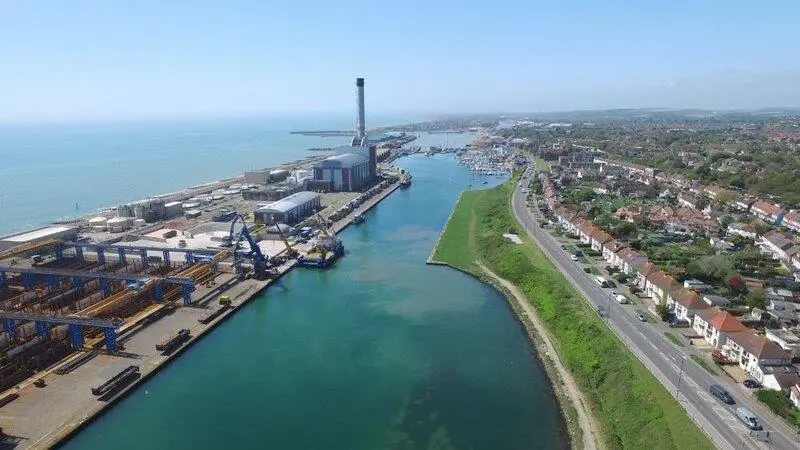
That’s the message from a five-year outlook for UK ports sector freight volumes produced by Drewry, the independent maritime research consultancy and released by the UK Major Ports Group (UKMPG), the trade association for the UK’s largest port operators.
“Whilst it’s encouraging to see volumes bounce back, ports will need to continue to adapt and invest for the new, increasingly post carbon, mix of freight and cargo,” said Tim Morris, chief executive of the UK Major Ports Group.
”Ports are responding to the outlook by developing their businesses in higher growth categories like containers and unaccompanied trailers and through investment in ‘volume light’ activities like green energy and logistics. Across all these developments ports continue to be vital engines for jobs and prosperity.”
Green outlook
Mr Morris said that there are challenges both to invest in plant and equipment and in terms of the freight mix itself. But there are also important opportunities from new cargoes and services for UK ports.
After suffering a 9% fall in volumes in 2020 vs the pre pandemic level in 2019 and a further forecasted 5% fall in 2021, most cargo types see a return to pre pandemic levels in 2022 and into 2023.
However, the pandemic and further decarbonisation policy and behaviour measures accelerate the decline in fossil fuel related cargo volumes. These cargo types remain substantially lower than pre-pandemic levels at the end of the forecast period in 2026.
In general, Mr Morris said, the impact of the pandemic (the economic impact in the short term and an accelerated reshaping of business models for sectors like retail) and decarbonisation (into the longer term) are bigger drivers of change.
He said that beyond the forecast period, this strategic reshaping of the cargo landscape is expected to continue with ongoing challenges for traditional energy products, a significant requirement for port operators to investment in zero emissions infrastructure but also opportunities from new fuels and services, such as hydrogen and carbon capture and storage respectively.
Post the pandemic bounce back, the return to a modest aggregate outlook means ports will continue to look to growth sub sectors but also, crucially, volume light activities and services to grow value.
Related Articles
 INSIGHT & OPINION GREENPORT
 INSIGHT & OPINION GREENPORT
 PRODUCTS & SERVICES GREENPORT