![GreenPort[PortStrategy]](https://www.portstrategy.com/greenport/wp-content/uploads/sites/4/2026/09/GreenPortPortStrategy.svg)

EXCLUSIVE: The little known but widespread problem of zinc anodes
Out of the many pollutants that affect the water in ports and harbours, a little known one is the danger of zinc, says the Clean Harbours Partnership (CHP).
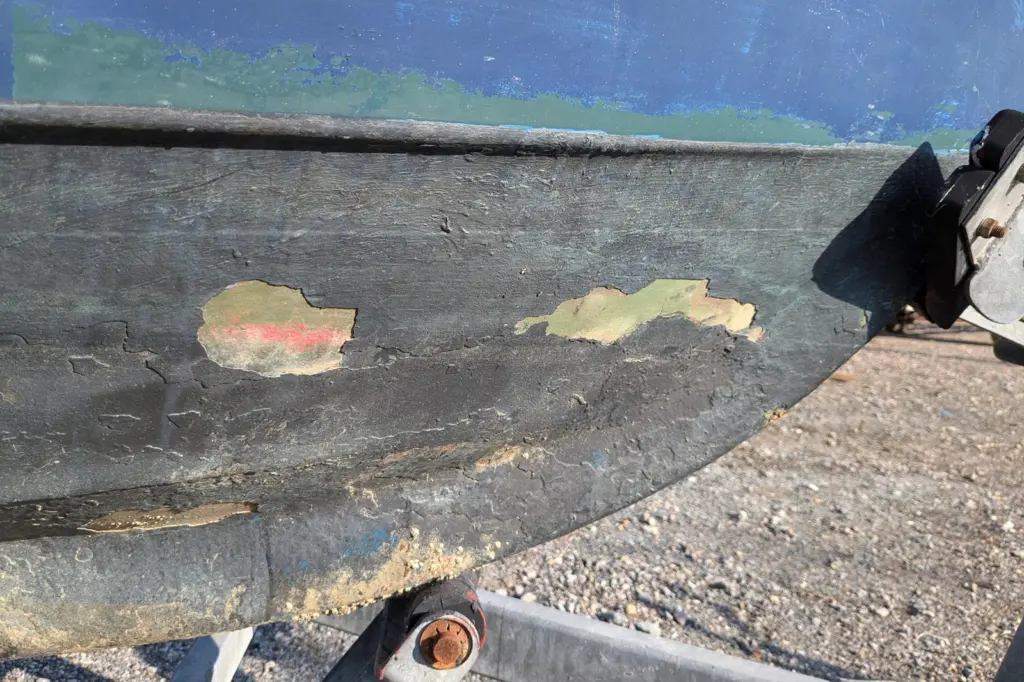
All vessels and harbour installations that use zinc anodes and antifouling are releasing metals, mostly zinc and copper, into the marine environment.
The problem with metals in the ocean is that they do not degrade. Instead, they build up in sediment on the seabed where they are ingested by marine organisms, causing harm to reproduction.
The size of the problem
Research has shown that some areas of seabed, such as around Falmouth, contain so much metal that 1% of the body weight of ragworms is made up of metal.
The Institute of Marine Sciences at the University of Portsmouth estimates that recreational vessels alone release 900 tonnes of zinc into UK waters each year. That is before adding in the zinc being released by shipping and commercial vessels navigating the UK’s coastline and waterways.
The partnership has spoken about the use of zinc in recreational vessels, but is this also a problem for commercial vessels including port/harbour vessels?
Zinc anodes are widely used by commercial vessels, ships, ferries, port and harbour vessels, fishing fleets and on marine structures which compounds the problem.
The Clean Harbours Partnership is advocating that the marine industry, including commercial and leisure boat yards and builders, switch to aluminium anodes as a matter of urgency to reduce the levels of contamination from both new boats and those in refit.”
“Zinc released by anodes on vessels should not be difficult to halt, since the alternative anode material, aluminium, is equally effective, and even more so in brackish water, explains James Collings-Wells of the Clean Harbours Partnership.
“The cost of the high purity zinc needed to make anodes has roughly doubled in the past decade, so aluminium is also now slightly cheaper.”
What about other contaminants in the harbour environment – is harbour equipment an issue?
In additional to anodes on boats, they are used to prolong the life of underwater steel harbour structures such as sheet piling, tubular support piling structures such as piers and navigation buoys.
The Clean Harbours Partnership says that aluminium would be more appropriate to use here as an alternative anode material to zinc.
A multitude of contaminants
Copper, from antifouling, is also known to be more harmful than zinc, however it is more difficult to quickly eradicate from use. For this reason, the organisation is focusing on highlighting the more easily solved issue of zinc as a priority and will be addressing the issue of copper contamination soon.
Aside from zinc and copper, other marine contaminates include boat paints and plastics.
Professor John Summerscales of the University of Plymouth has over 40 years of experience in polymer science and technology. His recent research into the life cycle of materials used in the marine environment shows that many materials such as iron and steel will corrode and degenerate in sea water, and that fibre-reinforced polymer composite materials (GRP), significantly contributes to the problem of microplastics in the oceans.
A recent study from the University of Brighton has also discovered disturbing levels of fibreglass in oysters and mussels. Based on research conducted in Chichester Harbour, Dr Corina Ciocan, principal lecturer in marine biology at the University has revealed the hidden dangers from GRP used in both commercial and leisure boat manufacturing, which is breaking down into the sea. It is not only contaminating the UK’s coastal waters but for the first time this study shows it is entering the food chain.
A further wider study into levels of microparticulate pollution of the oceans, focusing on glass reinforced plastics and the impact of abandoned commercial and leisure GRP vessels on water contamination, is due to be published soon by the University of Brighton.
What is the alternative?
Whilst all metals are harmful to marine life, overall aluminium is less harmful than zinc. In sea water it is as effective an anode as zinc, even if the vessel’s hull is made from aluminium. In brackish water, with low salinity, aluminium is the better anode.
“Aluminium is lighter and has a higher electrochemical capacity than zinc,” says Mr Collings-Wells.
“This means the same sized anode is likely to last much longer. In the last decade, the price of zinc has roughly doubled, so aluminium is now slightly cheaper, even before increased longevity is taken into account. Also, unlike aluminium, zinc contains cadmium which is more harmful to marine life.”
Important work
The Clean Harbours Partnership (CHP) is a community funded group established in 2021 that includes sailing clubs, resident associations and stakeholders around Chichester Harbour (a UK National Landscape) and Langstone Harbour.
Motivated by the lack of attention from regulators and politicians to the impact of water pollution, CHP has three core aims to: Investigate what is in the water, inform the public and custodians of the UK’s waterways and improve the contamination situation by the four main polluters – sewage, highways, agriculture and water users.
It adopts a scientific based approach to provide clear facts in otherwise murky waters and has funded several studies, notably a study by University of Portsmouth and Brunel University London. This has detected more than 50 chemicals in the waters off the coasts of Hampshire and West Sussex in addition to raw sewage.
The Clean Harbours Partnership studies have struck a chord and raised local and nationwide awareness. There have been local demonstrations against Southern Water, which in 2021 was fined GB£90m by the Environment Agency and criminally convicted ‘for widespread and long term breaches of environmental law’.
There are plenty of projects on the horizon going forward.
The partnership is soon to announce results from another research study with University of Brighton on the volume and makeup of microparticulates floating in the surface layer of our seawater.
This follows a pilot project by the Brighton University researchers which found 10,000 fibres in a litre of local seawater. The findings are expected to be dominated by rubber from highway run off, synthetic fibres from washing machines and marine industry chemicals including GRP.
As public awareness and knowledge grows, CHP has added a fourth ‘I’ to its objectives – Inspire. Having recently found evidence of a few, last remaining, seahorses in the local waters, it has sponsored seahorse surveys at 10 local sites to establish their whereabouts and numbers.
It is in the process of obtaining funding to introduce a variety of novel ‘seahorse cities’ to better understand the ecosystem in which they survive.
After informing the public with some facts and influencing political change, CHP’s next challenge is to keep the momentum going by cajoling politicians into actions (beyond just words) and persuading polluters to invest in meaningful improvement plans. CHP’s Anode project is a part of this goal.
Mr James Collings-Wells says that the take home message from this article should be that aluminium should replace zinc as the industry standard for anode material in the marine environment on grounds of cost, efficacy and reducing the environmental impact of marine vessels and structures.
There are other chemical pollutants from vessel manufacturing and maintenance that are harming the environment and these also need urgent address going forward.
Related Articles
 PRODUCTS & SERVICES GREENPORT
 EUROPE GREENPORT
 REGULATION & POLICY GREENPORT