![GreenPort[PortStrategy]](https://www.portstrategy.com/greenport/wp-content/uploads/sites/4/2026/09/GreenPortPortStrategy.svg)



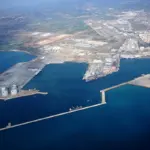

Cubas transhipment success rests on Mariel
Drewry Shipping Consultants says the new Mariel container terminal, TC Mariel, could help Cuba realise its potential as a regional transhipment hub, now that US relations are thawing, if it can overcome some other obstacles.
The main impediment to its future success as a transhipment hub is the 55 year trade embargo which means that any ship that calls at Cuba (excluding those carrying US licenced products) cannot then call at US ports for six months, therefore limiting the markets it can serve.
But with President Obama’s term nearing its end and Rául Castro’s intention to step down in 2018, Drewry said that the embargo could finally be lifted.
In its latest Container Insight Weekly bulletin, the organisation said: “We expect foreign (non-US) manufacturers will move into Mariel’s special economic zone in the expectation of a trade bonanza when it finally happens. The establishment of Mariel as a pure transhipment hub is likely to be a longer term, more challenging ambition but would be helped by a thriving SEZ.”
It’s true that Mariel has plenty of attractive prospects to garner more of the transhipment market including cheap land and lower taxes.
Its new access channel will be completed in early July which will allow for the arrival of Panamax vessels up to 300m in length. Work will then continue to allow for post-Panamax ships of 12 to 13,000 teu to coincide with the new Panama Canal opening.
But assuming that the trade embargo is lifted, Drewry said that there are still some other obstacles it will need to overcome before Mariel can realise its full potential. Perhaps most important is the need to convince potential investors that Cuba’s legal and institutional structures will not work against them.
The port will also have to compete with several well established transhipment hubs in the Caribbean region, as well as ports on the US East and Gulf coasts gearing themselves up to handle direct calls by larger container ships transiting the Panama Canal.
Lastly if containers are to travel freely between the two countries in a post-embargo world, lines of credit need to be opened up to Cuban importers who currently have to pay for US goods with cash advances.
Related Articles
 SOUTH AMERICA
 SOUTH AMERICA
 SOUTH AMERICA