


Brazil’s new political dimensions
Brazil’s new Minister for Ports and Shipping was the headline act at this year’s Intermodal South America trade show and conference.
Opening the 27th edition of the trade show, Márcio França, highlighted not only the economic importance of Brazil’s ports and aviation sectors but also the humanitarian impact, especially regarding the remote Yanomani tribe in the Amazon jungle as well as the need for aid for the north coast of Sao Paulo after heavy rains caused floods and landslides.
“The vital aid that reached the north coast of São Paulo after the heavy rains (February) was sent through the Port of Santos, which reinforces the importance of having public ports,” said França. “We are also taking more than 16 days to deliver food to the Yanomami, when it could be done in a few hours if there was more infrastructure in the region.”
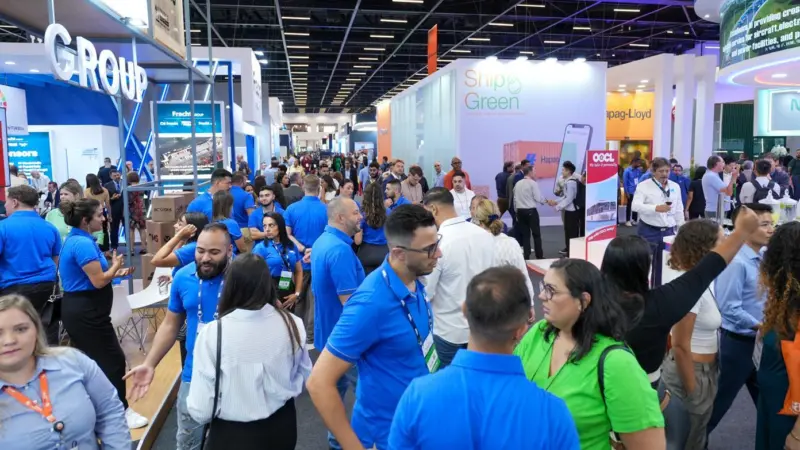
The trade show, held in Sao Paulo last month, was the 27th edition of one of the biggest shipping and port trade shows in the world and attracted a record number of attendees.
Renan Filho, Transport Minister, was also present and highlighted the fact that new tax breaks will help Brazil’s infrastructure sector.
“Today, we invest less than two per cent of our GDP in infrastructure, which is very little given the size of Brazil. The tax reform should also get off the ground with adjustments that favour the development of the sector. In 2023, we will have the investment of resources proportional to four years for transport, which represents a breakthrough for the population and also for companies in the logistics chain.”
Related Articles
 SOUTH AMERICA
 SOUTH AMERICA