![GreenPort[PortStrategy]](https://www.portstrategy.com/greenport/wp-content/uploads/sites/4/2026/09/GreenPortPortStrategy.svg)


BRazilians go it alone over ballast water
Five years of waiting for the world to get in step over new rules to control discharge of ships ballast water has proved too much for Brazilian authorities, who are to go it alone.
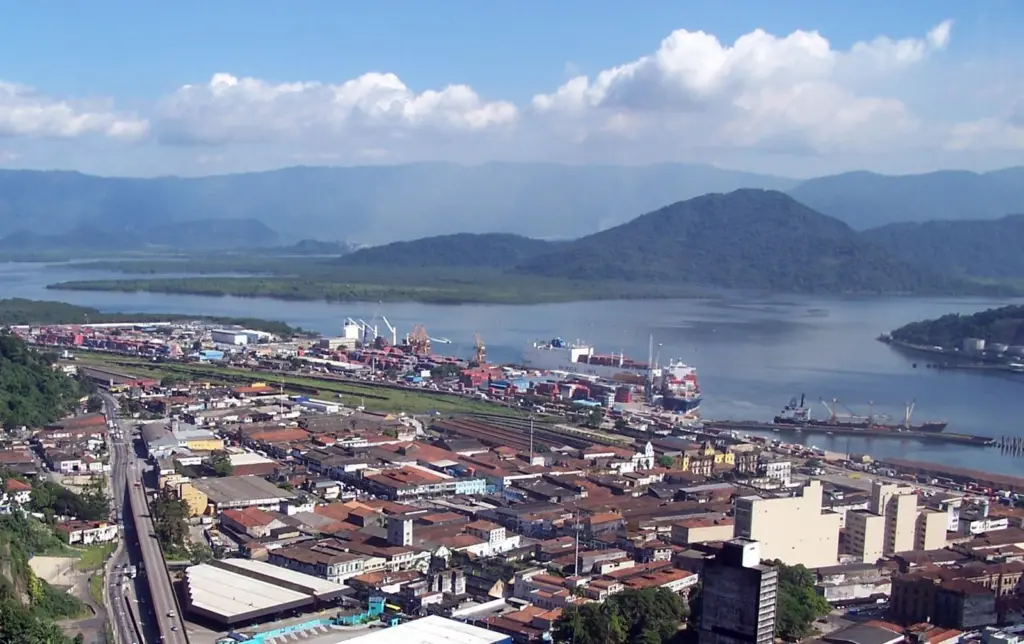
Bills drawn up by Federal Congressmen to deal with the environmental impact of discarding ballast water in the country’s ports have been approved by the Congressional Environmental and Sustainable Development Committee.
They’ve taken action because since the International Maritime Organisation adopted its international convention for control and management of ballast water and sediment from ships in February 2004 insufficient states have adopted it to make ratification possible – less than half of the necessary states have signed up, representing less than 4% of the global tonnage against a target of 35%.
Under the new rules all ships must allow inspection of any ballast water they intend to discharge in Brazilian ports, and port authorities must have the means to analyse the water, including people competent to perform the tests, says Godofredo Mendes Vianna, partner of law offices Carl Kincaid, based in Rio de Janeiro, writing on the International Law Office web site.
Ships will be required to have ballast water management plans to remove or make harmless organisms that cause water-borne diseases, and will have to change ballast water if they’ve come from foreign ports, travelled between hydrographic basins, or are navigating between sea and river ports.
Fines for violation may seem petty at as little as 200 Brazilian Real ($85), but they can also trigger existing anti-pollution legislation fines which are much more punitive – up to 5m Real ($2.1m).
Related Articles
 EUROPE
 TERMINAL OPERATIONS
 TERMINAL OPERATIONS