![PortStrategy[GreenPort]](https://www.portstrategy.com/wp-content/uploads/2026/09/PortStrategyGreenPort.svg)



Major CO2 emissions reduction
A German port management company has reduced C02 emissions by 70% over five years in line with its sustainability strategy.
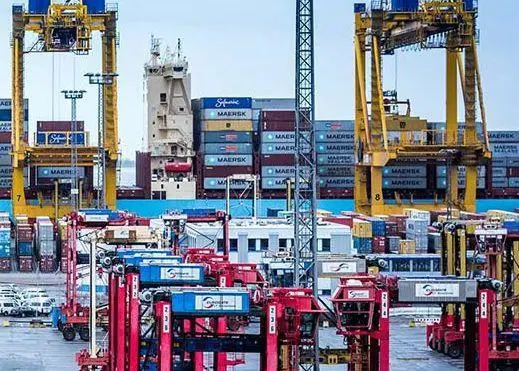
bremenports’ new sustainability report presents its activities for 2017/2018. The report shows that compared with 2011, when the Bremen and Bremerhaven ports (ports of Bremen) that it manages produced more than 7000t of CO2, the company has succeeded in reducing CO2 emissions by 70%.
Making progress
In 2018, rail hinterland traffic achieved very good figures, both in terms of the modal split as well as in absolute volumes, said the company. Over the last 10 years, the share of rail in hinterland traffic has risen from 41.3% to 46.4%, an increase of 5%. The share of road traffic decreased from 56.0% to 50.5%
The share of ships with an ESI Score calling at the ports, i.e. vessels which are more environmentally friendly than demanded by law, is now 40%, almost four times higher than on the introduction of the ESI in 2012.
Electricity from renewable energy sources is available for barges at 21 berths in Bremen. The company said it is making progress with its efforts to convert its fleet. At the beginning of 2020, the bremenports fleet included seven electric vehicles with different ranges as well as three hybrid vehicles for longer journeys.
Four electric bicycles and an electric cargo bike at the building yard can be used instead of a car for short journeys.
Additionally, bremenports has introduced ‘Guidelines for sustainable, energy-efficient procurement’,which contain clear specifications for the purchasing of products including office equipment, electric motors and pumps.
Related Articles
 ALTERNATIVE FUELS GREENPORT
 NEWS
NEWS