![PortStrategy[GreenPort]](https://www.portstrategy.com/wp-content/uploads/2026/09/PortStrategyGreenPort.svg)


Rotterdam and Gothenburg form LNG alliance
The ports of Rotterdam and Gothenburg have formed a strategic alliance to accelerate the use of LNG as a maritime fuel, which they view as an important opportunity for the maritime industry to comply with the new sulphur directive coming into force in 2015.
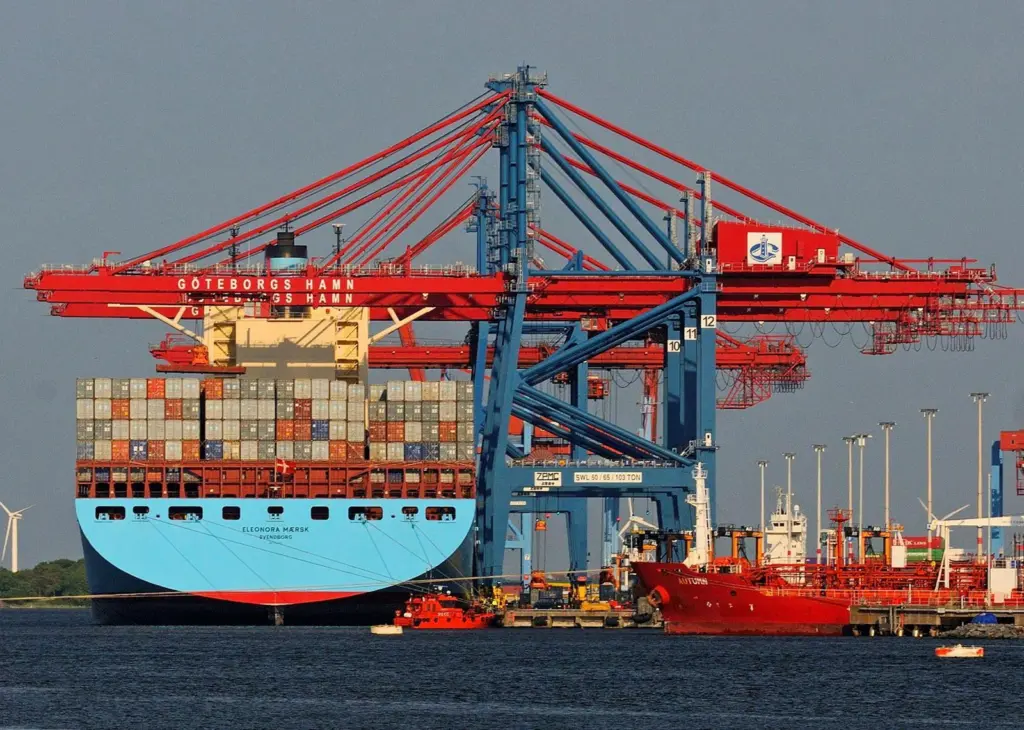
Both ports are located within the Sulphur Emission Control (SECA) Areas. Where the ports are concerned of course is with making sure that the infrastructure for LNG bunkering facilities is in place in time for when the new regulations come into effect.
Ronald Paul, COO, Rotterdam Port Authority, said: “The use of LNG as a fuel fits in our policy to become the most sustainable port. We consider the Port of Gothenburg as a strong partner in the Scandinavian market for this issue.”
This is the first step in what is a difficult process though. The Port of Rotterdam says that to achieve the LNG target at both ports by 2015, rapid development is required in a number of areas. The necessary infrastructure at the ports needs to be constructed and rules will need to be drafted for handling LNG.
Promoting awareness of LNG as an environmentally friendly fuel to operators is also key.
As reported by Port Strategy a few months ago, the Port of Gothenburg, Swedegas and Vopak recently announced plans to build an LNG terminal by 2015. It will allow ship-to-ship bunkering as well as bunkering on the terminal, which the port says is important to give the industry a clear signal it can start investing in LNG vessels.
Notwithstanding a handful of announcements regarding planned LNG bunkering facilities, ports have understandably been reluctant to commit to such a substantial capital outlay. But the fact remains that if ports don’t have the facilities, then ships can’t convert because they won’t be able to refuel.
Related Articles
 ALTERNATIVE FUELS GREENPORT
 NEWS
NEWS