


Drought threatens inland freight supply chains
TT Club warns recurring drought and low-water restrictions are emerging as major business continuity risks for inland freight
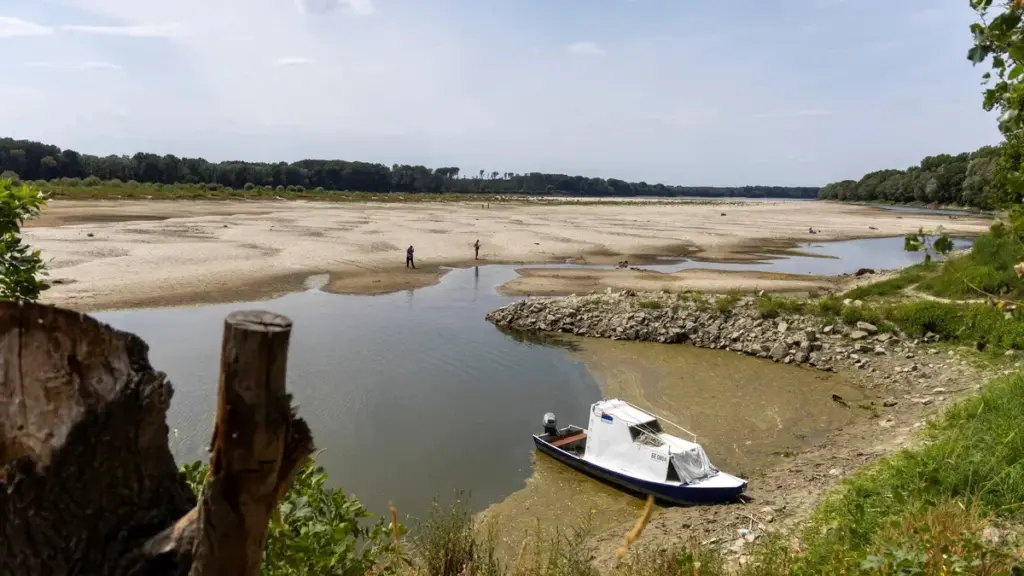
Recurring drought and low-water restrictions should be treated as business continuity risks by logistics providers, ports, terminals and cargo owners, according to transport and logistics insurer TT Club.
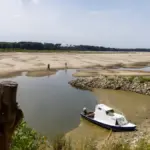
Inland waterways including the Rhine, Danube, Mississippi, Yangtze and Paraná remain efficient, lower-emission freight routes, but increasingly frequent drought conditions are putting pressure on operations through reduced vessel loading, draught restrictions, navigation bottlenecks, delays, groundings and higher freight costs.
Neil Dalus, risk assessment manager at TT Club, said: “Drought should no longer be considered a rare environmental issue. It is a business continuity risk with the potential to affect vessel capacity, route availability, port operations and the wider transport network.”
The insurer warned that the impact of low water can extend throughout supply chains. Reduced vessel capacity can constrain port throughput, create inventory imbalances at warehouses and trigger sudden demand for alternative road and rail capacity, potentially creating further bottlenecks.
Recent conditions on the Danube have highlighted another concern: competition for scarce water resources. In Romania, authorities have had to balance navigation requirements against those of critical infrastructure, including energy generation.
TT Club said businesses could therefore face disruption not only from low river levels but also from government decisions over how limited water supplies are allocated between drinking water, agriculture, energy and transportation.
The warning comes as supply chains increasingly look to inland waterways to support decarbonisation. TT Club said the environmental benefits of waterborne freight remain strong, but sustainable transport choices must also be resilient.
The insurer recommends mapping inland-waterway dependencies, monitoring river levels and drought forecasts, establishing alternative road and rail arrangements, and stress-testing supply chains against prolonged reductions in vessel capacity.
Companies should also review contracts, inventory strategies and contingency plans while using real-time data, remote sensing and predictive analytics to anticipate restrictions.
Dalus added: “The most resilient organisations will be those that understand their dependencies, can activate alternative transport options quickly and have already considered how their supply chains will perform under persistently constrained conditions.”
Related Articles
 PORT & TERMINAL NEWS
 OPERATIONS
 PORT & TERMINAL NEWS