





Nigeria tackles corruption and congestion
A Nigerian Ports Process Manual (NPPM) has been launched to cut corruption, promote transparency, improve efficiency and reduce congestion at ports and terminals.
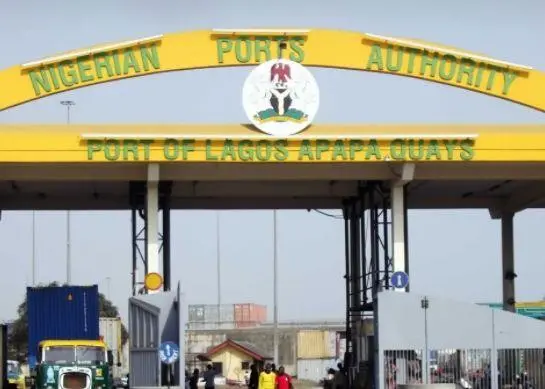
The Nigerian Government’s manual is a collation of various processes extracted from standard operating procedures of stakeholders in the port sector, said the Standard Club. The Government aim to improve Nigeria’s ranking on the Corruption Perception Index (CPI) and put a stop to illegal demands. In addition to improving overall efficiency, the Government want to eliminate bottlenecks at ports.
“The aim is to improve operations, service timelines, efficiency and accountability in the port sector,” said the Standard Club.
The Nigerian Shippers’ Council (NSC) has been appointed as the implementation lead agency for NPPM, while all federal government agencies in the maritime sector have pledged to support the smooth take-off of the NPPM. The agencies include the Nigerian Ports Authority (NPA), the Nigerian Maritime Administration and Safety Agency (NIMASA), Nigeria Immigration Service (NIS), Nigeria Customs Service (NCS) and others.
The Standard Club has since May 2020, been a member of the Maritime Anti-Corruption Network (MACN), an organisation that is dedicated to a goal of fair trade and a maritime industry that is free of corruption. MACN has been part of several initiatives to improve the operating environment in Nigerian ports and terminals. Specifically, these have involved the harmonisation of all vessel port clearance procedures and guidelines and implementation of port sector ‘Grievance Reporting Mechanism’, giving private sector and external stakeholders an escalation channel when corrupt demands are made. These are available through the Port Service Support Portal (PSSP) hosted by NSC.
In 2020, MACN also launched an impact survey to assess the impact of their efforts and to better understand the evolving situation in Nigerian ports and terminals.
Related Articles
 PORT & TERMINAL NEWS
 PORT & TERMINAL NEWS
 PRODUCTS & SERVICES