![PortStrategy[GreenPort]](https://www.portstrategy.com/wp-content/uploads/2026/09/PortStrategyGreenPort.svg)




Port detentions threaten ageing fleets
Shipowners and operators are facing a growing risk of costly port state control (PSC) detentions as ageing vessels struggle to meet increasingly stringent safety and maintenance requirements, according to a new white paper from Survitec.
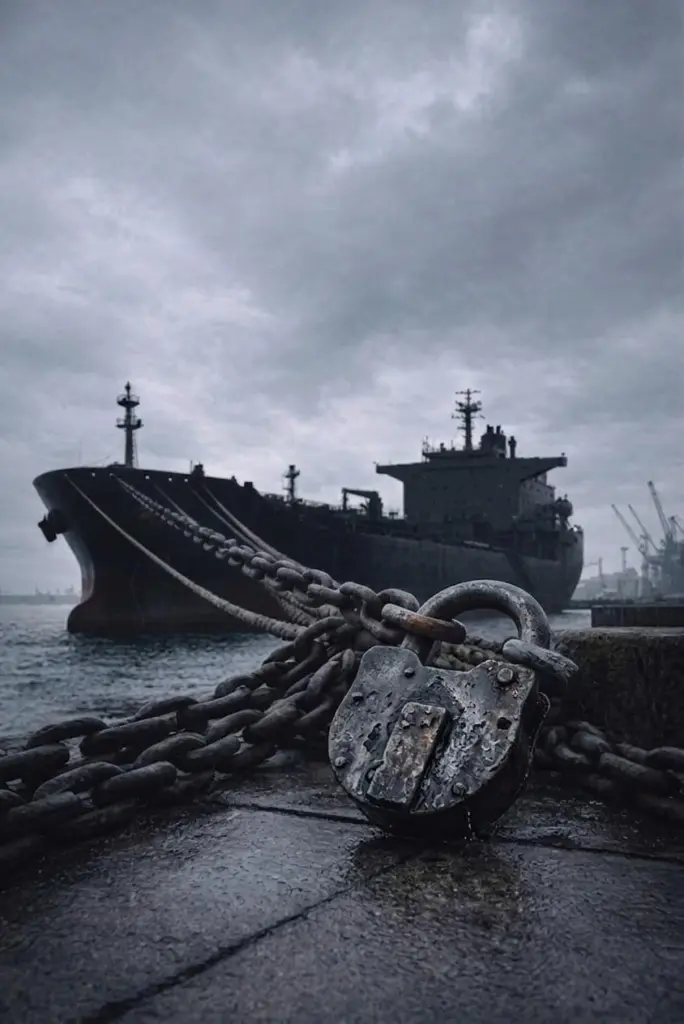
The report, In-port Detentions: The costs and implications for an ageing fleet – and how to avoid them, argues that many detentions are no longer the result of unexpected failures but stem from deficiencies that are visible, foreseeable and often preventable.
According to Survitec, while global inspection volumes have remained relatively stable at around 75,000 annually, detention rates have worsened significantly. Detentions under the Tokyo Memorandum of Understanding (MoU) have more than doubled over the past five years, while the Black Sea MoU has recorded some of the highest detention rates relative to inspections, partly due to the prevalence of older vessels.
“Detention is increasingly becoming part of the operating environment for many fleets, and even the shortest detention can quickly escalate into six-figure costs once off-hire exposure, berth costs, emergency repairs, schedule disruption, insurance impacts and reputational damage are factored in,” said Metkel Yohannes, chief portfolio officer at Survitec.
“The commercial reality is simple. Proactive annual inspections and lifecycle planning significantly reduce the risk of costly compliance failures and operational disruption. Investing in prevention is materially cheaper than absorbing even one detention.”
The white paper highlights recurring deficiencies in safety-critical firefighting and lifesaving equipment, drawing on real-world inspection case studies conducted by Survitec technicians.
Problems identified include degraded firefighting systems, poorly maintained safety equipment and lifeboat systems compromised by environmental exposure and inadequate upkeep.
“As the case studies show, these types of failures rarely occur in isolation or suddenly,” said Jan-Oskar Lid, technical sales and support manager at Survitec.
“Operators must ensure safety-critical equipment works when it counts to reducing risk, avoiding costly failures, and ultimately protecting lives.”
The report concludes that proactive maintenance and rigorous inspection regimes remain the most effective defence against detention, operational disruption and safety failures.

Related Articles
 PORT & TERMINAL NEWS
 PORT & TERMINAL NEWS
 CONTAINER & CARGO HANDLING