



Ports must plan for climate change
Ports must plan and implement climate change adaptation measures as soon as possible.
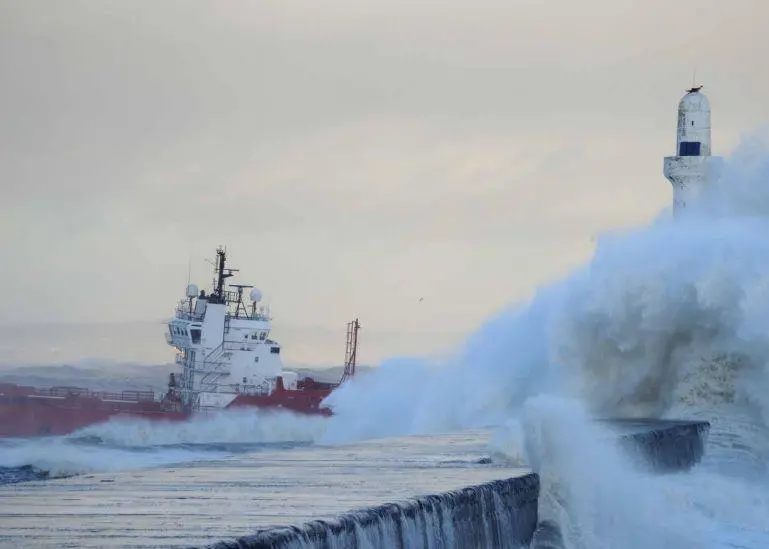
This is the message from a new paper, published by HR Wallingford and the British Ports Association, examining the potentially far-reaching impacts of climate change on ports and their infrastructure and how the sector can adapt.
Tom Matthewson, ports sector lead and regional manager for the UK and Ireland at HR Wallingford, said: “Port assets often have a lifespan of several generations – a breakwater or quay is often expected to stand for 100 years or more. That’s why it’s important that port authorities and operators consider how their infrastructure will stand up to what is likely to be a very different climate in 2120.
“Whilst ports are not strangers to flooding or extreme weather, these events are likely to become stronger and more common in decades to come. Infrastructure operators need to adapt accordingly.”
Rising sea levels
The most significant impact of climate change for most ports will be a rise in sea level – which is modelled to happen under all climate change scenarios. Port infrastructure is often important in protecting coastal populations and businesses, however multi-generational port infrastructure such as quays and breakwaters could be vulnerable to climate change.
The paper also identifies more common and more extreme weather events, tide range and tidal streams, pressure on water supplies and risks to health from hotter summers as impacts that could affect navigation, port operations and land transport.
The paper signposts measures to adapt to these risks and issues that ports need to consider when planning investment. Future adaptation strategies include: building in allowances for sea level rise when constructing port infrastructure; investing in assets that will make it easier to raise breakwaters and sea walls in the future; and advance planning of how to replace structures when needed, embracing the ‘build back better’ philosophy.
Related Articles
 ALTERNATIVE FUELS GREENPORT