![PortStrategy[GreenPort]](https://www.portstrategy.com/wp-content/uploads/2026/09/PortStrategyGreenPort.svg)



LMT showcases 5G port innovations
Mobile connectivity innovator LMT has demonstrated a range of cutting-edge applications for port environments using a private 5G network at the Baltic Container Terminal in the Freeport of Riga.
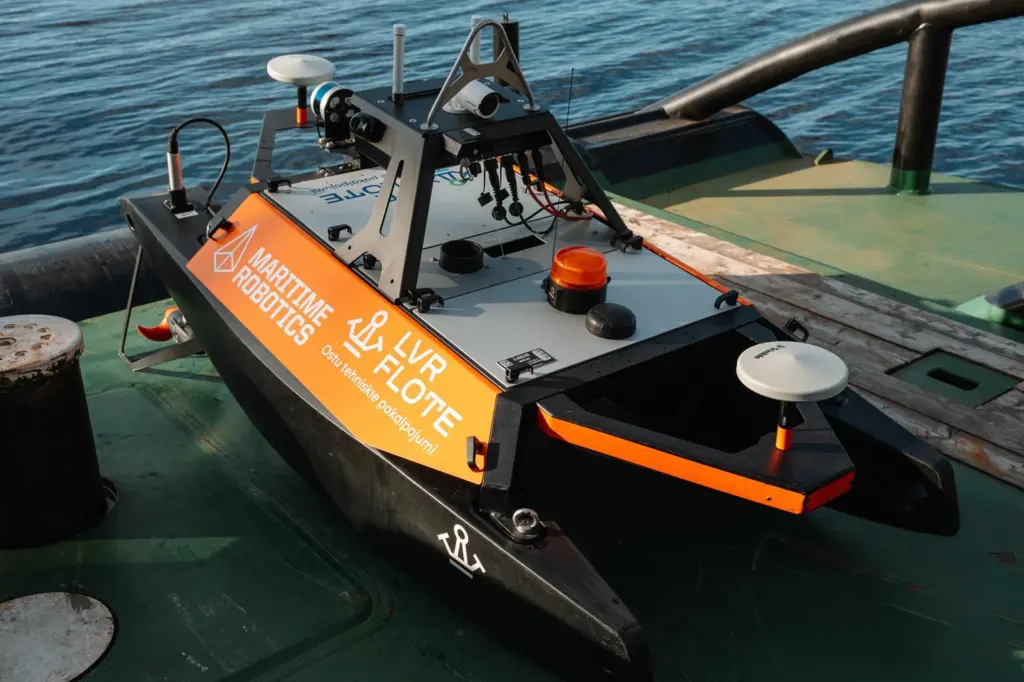
The showcase during a Techritory Forum featured technologies such as automated drone-based crane inspections, underwater drones for water quality monitoring and oil spill collection, and dual-use unmanned surface vehicles (USVs) for loading and unloading operations. These applications were enabled by the LMT 5G core which provides seamless, uninterrupted connectivity across the port.
“Maritime connectivity has been an underdeveloped area in telecommunications,” said Juris Binde, president of LMT.
“Ports are critical infrastructure for supply chains and national defence. Our 5G core unlocks the potential of 5G, enabling game-changing use cases that transform port operations.”
Highlights of the demonstration included real-time transmission of hydrography sensor data using AI for anomaly detection, automated drone inspections in collaboration with Beyron, piloting USVs alongside LVR Flote and underwater intruder detection systems developed with SUBmerge Baltic and Spark maritime drones.
“Since 2020, we have actively supported drone and 5G technology testing,” said Ansis Zeltins, chief executive of the Freeport of Riga Authority. “We enable innovations that strengthen competitiveness, support energy transition and enhance resilience.”
LMT pioneered the multi-hop connectivity principle to extend 5G to maritime environments and launched the Baltics’ first private 5G network at the Baltic Container Terminal in early 2025. The company recently signed a memorandum of understanding with the Port of Hamburg and Fleet of Hamburg to boost maritime digital innovation in the Baltic Sea region.
READ MORE: Germany and Latvia partner on port digitalisation
LMT’s maritime 5G technology received the IAPH Sustainability Award in the Digitalization category in recognition of its impact on port efficiency and sustainability.
Related Articles
 TERMINAL OPERATIONS
 DIGITAL
 DIGITAL