Port Metro Vancouver knew it had to find a fix for its dysfunctional trucking sector. Carly Fields reports
Terminal 2 needed to meet demand
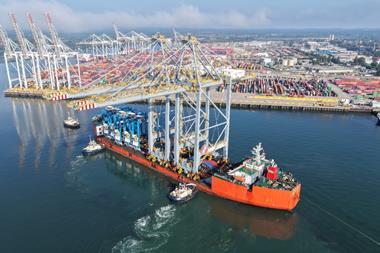
Port Metro Vancouver is pushing ahead with its Terminal 2 development to cement its position as primary hub for Canada’s trade with Asia – 85% of containerised trade through the Canadian West Coast takes place through Port Metro Vancouver.
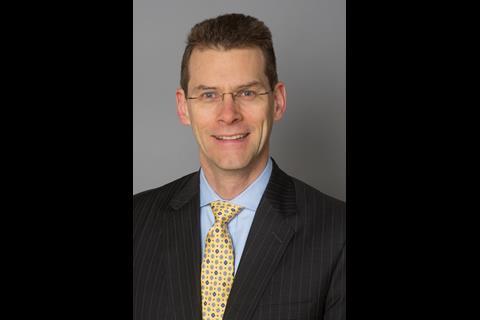
“As we project forward, demand is forecast at a 4%-5% compounded growth rate, which effectively means a doubling of trade in the next 15 or so years,” says chief executive Robin Silvester. “Coastwise, we’re currently at about 80%-85% of capacity, so we need new capacity. Terminal 2 is really the only opportunity on the coast to create a significant chunk of that capacity over the next decade.”
DP World’s recent entry into Prince Rupert will not change this situation, he says. “We were assuming that would happen and we are glad to see that happen because the capacity is needed. If you add together all the capacity additions taking place on the Canadian west coast you get to around1.5m teu – that capacity will be absorbed within the next six years.
“Terminal 2 presents the only opportunity to create capacity on the scale that the market needs. We’re four years into that project now and it will take another six to seven years to bring it to fruition. There’s nothing else moving forward that would create that amount of capacity.”
Port Metro Vancouver will soon put out the call for a terminal operator to take on the concession for Terminal 2 for which there will likely be a great deal of interest. In addition to the positive growth projections, another attraction is the supporting works that have already been done to connect the terminal to the intermodal networks. A CN$700m infrastructure programme - kicked off under the banner of the Asia-Pacific Gateway and Corridor Initiative – saw both the federal and provincial government align around the need to create capacity for Canada in support of its trade with Asia. This ‘alignment’ led to strategic investment in infrastructure supporting the port as a whole, as well as the planned Terminal 2 development.
“In terms of T2, this is critical,” says Mr Silvester. “Initially people focus on the supply/demand balance and the overall business case. Then they tend to focus on the environmental process and the layout of the terminal. But just as important is the ability to get a train from the terminal out on to the main line and heading towards Toronto or Montreal.
“In the words of one of the operators that came to have a look around last year they said ‘you have already rolled the red carpet out to where you are going to build the terminal’ – it’s a great way of encapsulating what we’ve done. We’ve got ourselves in a very good position and we’re pretty excited now to be at the stage of moving out into the terminal operating process.”