

Climate risk high on harbour masters’ agenda
Protecting infrastructure from the fallout of climate change was high on the agenda at the 11th International Harbour Masters Congress.
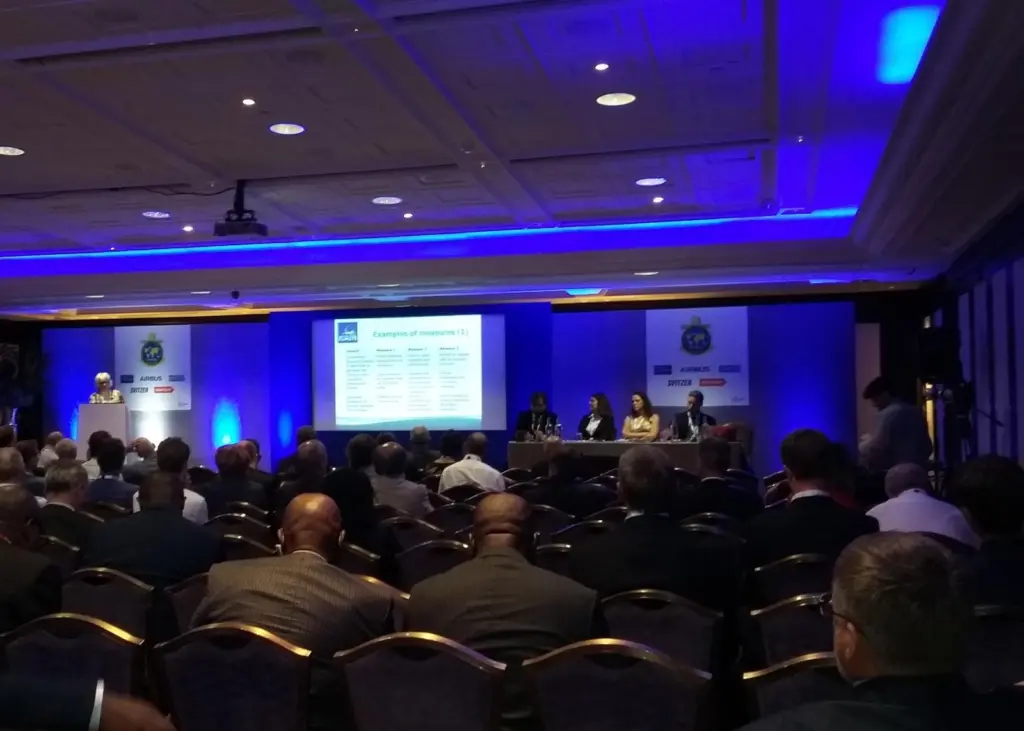
Delegates were warned at the start of the second day that the effects of climate change would effect harbour masters’ job load when it comes to dealing with the fallout from hurricanes, storms, waves, floods and rising sea levels.
“We can’t see CO2 because it is an invisible threat, but we will feel its implications,” said Jan Brooke, UK representative on the PIANC Permanent Task Group on Climate Change.
Adaptation crucial
She pointed out that increased damage is already being seen to infrastructure as a direct result of climate change.
“And even the ecological implications are being felt with more weed growth in inland waterways affecting the integrity of infrastructure and navigational safety.”
Her working group at PIANC aims to provide sector wide awareness and the facilitation of knowledge networks on the issue. The ultimate aim is to create a good practice guide.
“We want to encourage a shift towards low carbon infrastructure and operations and improve preparedness.”
PIANC is currently asking ports and terminals to fill out a survey online which act as a knowledge sharing platform across the industry.
Emissions strategy
A number of harbour masters from different ports spoke about their future strategy at the conference.
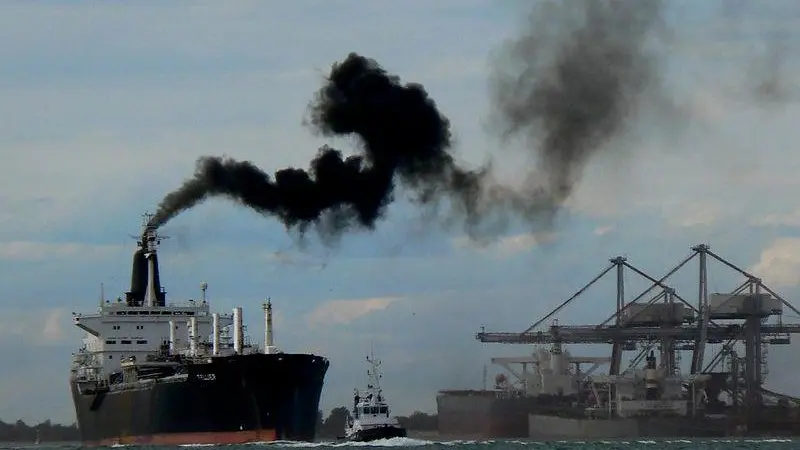
The Port of London Authority spoke about its emissions strategy which it launched in 2017.
“We have an important role to play in reducing London air quality,” said Tanya Ferry, environment manager, PLA.
She pointed out that marine has some way to go to catching up with road vehicles which are getting cleaner, there are still passenger boats that exist with post war engines in them.
As part of its overall emissions strategy, PLA launched its version of the green incentive scheme the Environmental Ship Index (ESI) last year rewarding cleaner ships with reduced harbour dues.
It is also conducting feasibility studies on shore side power and is working with the City of LOndon to create a network of river emissions monitors.
It said it should be in the position to launch sound public guidance on reducing emissions to Thames operators later this year.
Related Articles
 REGULATION & POLICY GREENPORT
 REGULATION & POLICY GREENPORT
 REGULATION & POLICY GREENPORT