


Airborne noise notation for ships in ports
Lloyd’s Register (LR) has released what is believed to be an industry first airborne noise emission notation (ABN) and ShipRight procedure to meet increasing demand for a standard and methodology to control airborne noise emissions from ships in ports.
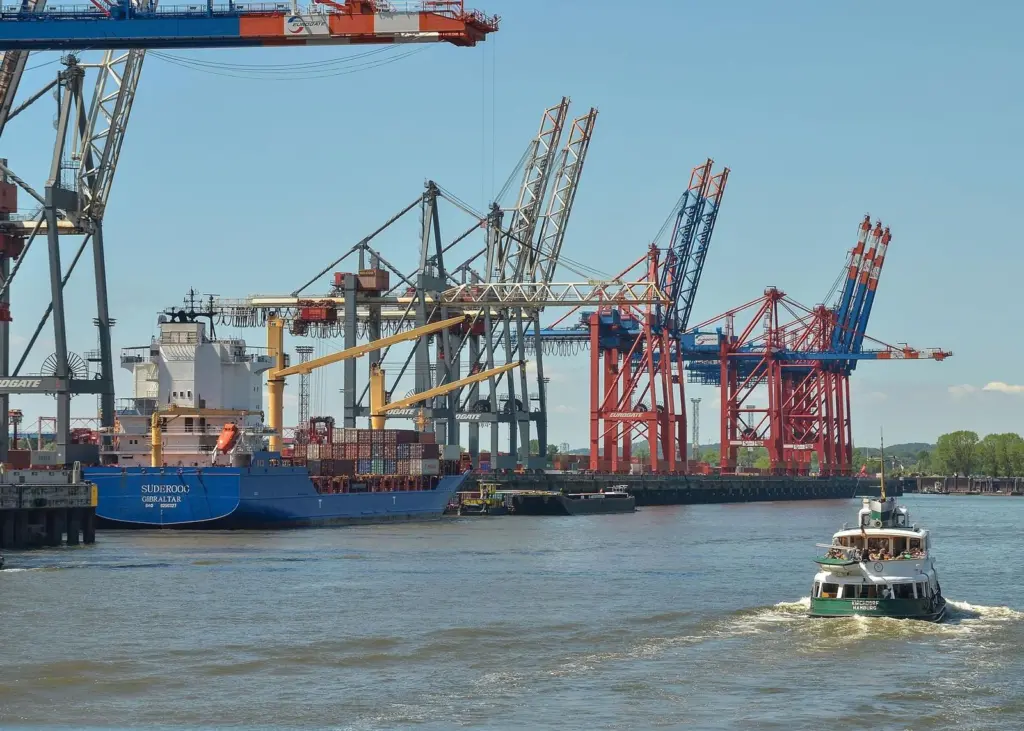
The ABN, which was developed with the help of industry partners including yard representatives and port operators, defines a set of five limit levels for airborne noise emission from ships. This enables ports to better monitor overall noise levels from ship calls. It will assist ports in determining which and how many ships can access the most noise sensitive areas of the port. It will also allow ports to specify ships require a certain ABN notation to stay in a noise sensitive area of the port, for example those locations close to residential areas.
Per Trøjgård Andersen, LR principal consultant – noise & vibration, commented: “LR is the first class society to have a notation on this subject. It will assist ports and shipowners in controlling and verifying airborne noise emissions, a field in which LR is at the forefront of technical development.”
Quality mark
Ship owners can use the ABN to demonstrate that their vessels have controlled airborne noise emissions to gain access to noise sensitive areas, such as ports in city centres or natural sanctuaries. The ABN also describes how the compliance can be ensured at design stage by giving examples of how to calculate the expected noise levels.
Directive (EU) 2016/1629 specifies the maximum noise level from a ship in the EU when sailing and at berth, however, achieving the ABN will ensure that the ship complies with these requirements.
Related Articles
 REGULATION & POLICY GREENPORT
 REGULATION & POLICY GREENPORT
 REGULATION & POLICY GREENPORT