
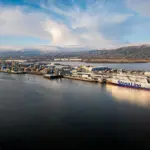

United front against wildlife trafficking
76 port and maritime supply chain representatives from 12 countries have agreed measures to address wildlife trafficking through a port in Kenya.
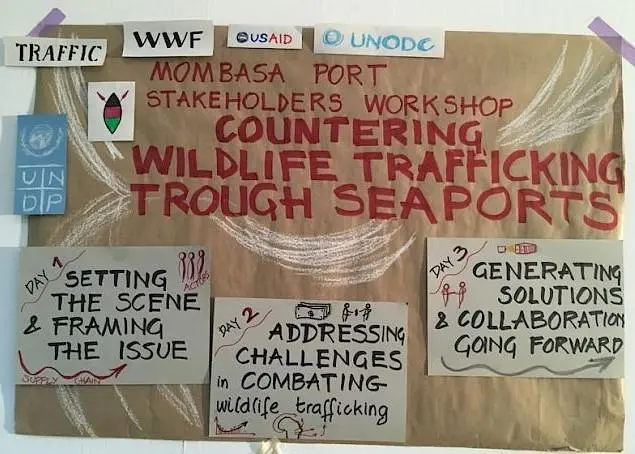
During a Port of Mombasa stakeholders’ workshop, participants identified key gaps and opportunities in the port management systems to prevent, detect and intercept illegal wildlife products and determined next steps. Specific actions discussed included enhancement of inter-agency, inter-sectoral and international collaboration; cargo risk profiling; policy enforcement and prosecution capacity; and information and intelligence exchange to curtail wildlife crime.
“Wildlife trafficking is a transport-intensive crime that robs countries like Kenya of their natural resources and heritage,” said Julie Thomson, director of the East Africa Office for global NGO TRAFFIC, one of the partner organisations involved in organising the workshop.
“Through collaboration and collective goal-setting, stakeholders at the seaport of Mombasa have set forth a strategy for strengthening Kenya’s shipping supply networks against illegal wildlife trade. This marks a pivotal win for Africa’s wildlife,” Ms Thomson said.
31 organisations involved
The workshop took place on 23-25 October, hosted by The Ministry of Tourism and Wildlife of the Republic of Kenya, in partnership with TRAFFIC, the United Nations Development Programme (UNDP), the United Nations Office on Drugs and Crime (UNODC), and WWF-Kenya.
Stakeholders from 31 organisations participated in the workshop, including representatives from the Kenya Government, private sector entities, enforcement agencies, non-governmental organisations and intergovernmental organisations.
They agreed that it will take close information exchange and strategic collective action to end wildlife crime and the illicit trade of endangered species worldwide.
The Port of Mombasa, managed and operated by the Kenya Ports Authority, is the largest port in Africa and is a key exit point for trafficking of African wildlife.
Related Articles
 AFRICA GREENPORT
 AFRICA GREENPORT
 AFRICA GREENPORT