![PortStrategy[GreenPort]](https://www.portstrategy.com/wp-content/uploads/2026/09/PortStrategyGreenPort.svg)





Alternative fuels part of sustainability vision
A port in New Zealand has outlined plans for its sustainability strategy with potential investments in alternative fuels to minimise its carbon footprint.
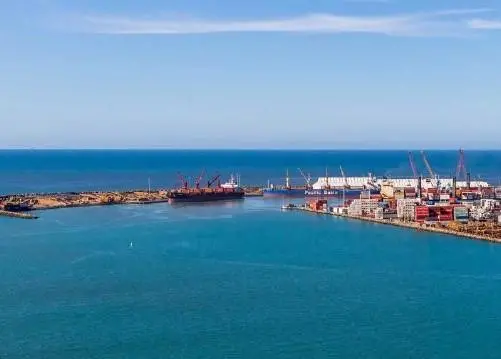
Napier Port, which started developing its framework and strategy in 2018, said its future focus could include minimising its carbon footprint in line with government targets through methods including exploring the use of alternative fuels like hydrogen, biofuels and electricity; investment in heavy equipment powered by clean energy, setting clear policies for offsetting unavoidable carbon emissions; and developing strategies for expanding rail transport.
Its framework focuses on people, planet, prosperity and partnerships, while the strategy builds on this framework and is aligned to the United Nations Sustainable Development Goals (SDGs). It aims to address issues including biosecurity, biodiversity, water management, efficiency and employee wellbeing and is due to be published in the second half of 2020.
“Our work is being guided by the United Nations Sustainable Development Goals, which are globally recognised and provide a blueprint to build a better and more sustainable future for all,” said Todd Dawson, chief executive of the port.
He added: “It is our long-term goal to work towards Global Reporting Initiative (GRI) reporting, which is the global best practice for reporting on economic, environmental and social impacts. In the interim we will use the GRI framework, demonstrating our commitment to full transparency.”
Current work
The port identified that its current sustainability practices, policies and programmes already have relevance to the SDGs.
Napier said it is working to bring its energy consumption down by initiatives including investing in more efficient forklifts and storing refrigerated containers in towers so they can be powered by the electricity grid. It has installed an electric vehicle (EV) recharging station and begun the transition to EVs; installed its first LED tower as part of a 20-year roll-out; and is exploring other technologies, such as wave energy.
Current initiatives also include a port recycling programme and a partnership with local firm BioRich, which collects waste bark from the port’s log operation. This waste is combined with waste products from many of the port’s export customers to create rich compost and mulch.
The port has an on-port sanctuary to protect ‘korora’ penguins and other birds. It has established settlement ponds at its Thames Street depot to provide a natural habitat for local wildlife and has supported the development of a new wetland at Waitangi Regional Park.
Napier has also developed an environmental dashboard that will enable it to monitor and report on water quality in real-time during planned dredging to build 6 Wharf.
Related Articles
 AUSTRALASIA GREENPORT
 AUSTRALASIA GREENPORT
 AUSTRALASIA GREENPORT