![PortStrategy[GreenPort]](https://www.portstrategy.com/wp-content/uploads/2026/09/PortStrategyGreenPort.svg)

UK ports challenge EU carbon leakage claims
UK port investment is driving container growth, says the BPA, challenging claims that EU carbon pricing is diverting shipping traffic
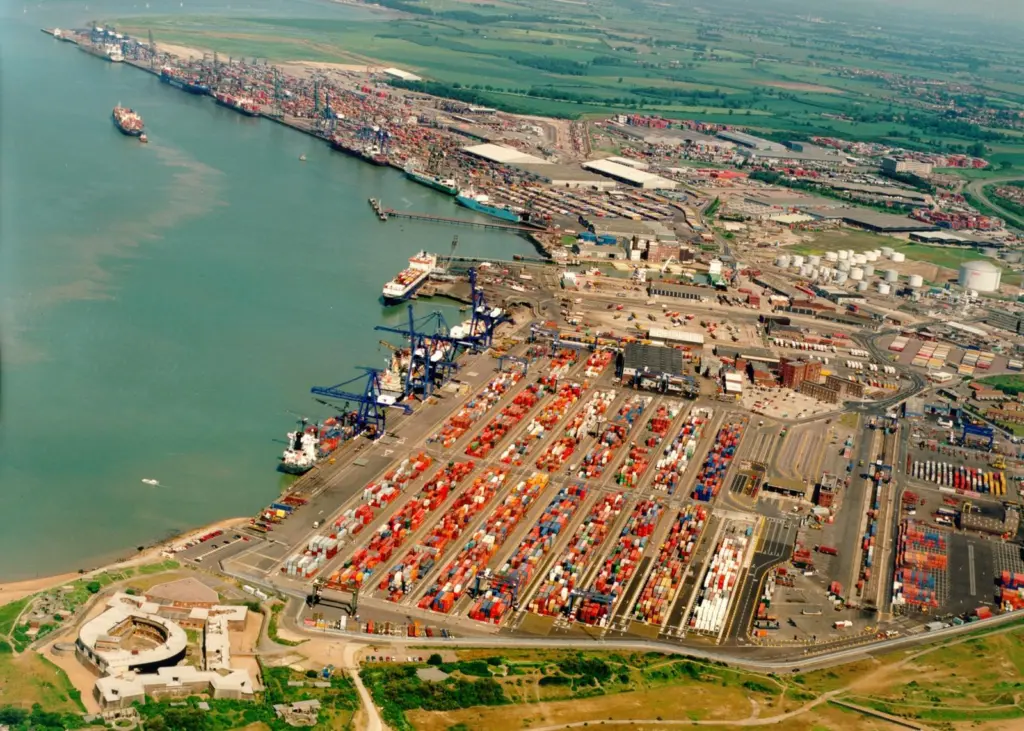
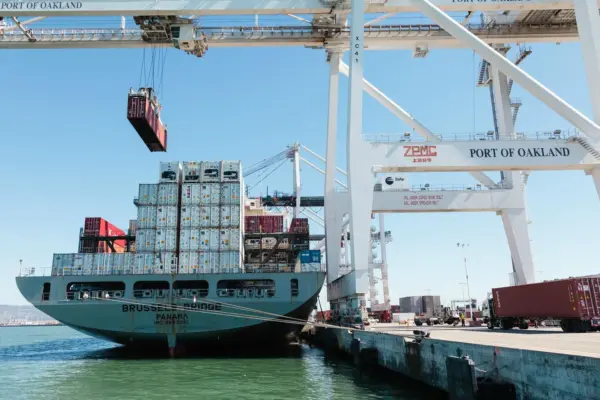
Investment in new berths, deeper channels and expanded container-handling facilities is strengthening the competitiveness of UK ports, according to new analysis from the British Ports Association (BPA).
The paper challenges claims that the European Union’s Emissions Trading System (ETS) is diverting container shipping from continental Europe to Britain, following proposed EU measures targeting UK container ports over alleged carbon leakage.
The claims draw on reports from Spain’s EU ETS Observatory, established by the country’s state port authority to examine concerns about Spanish port competitiveness. However, the BPA argues that changes in the UK’s share of northern European container activity do not necessarily reflect cargo diversion, as the figures overlook investment, actual cargo volumes and shifts in global shipping networks.
“British ports have invested hundreds of millions of pounds to attract more ships and handle more cargo. Those investments are paying off and making the UK more competitive,” said Mark Simmonds, director of Policy & External Affairs at the BPA.
UK container volumes grew strongly in 2025, with around 85% of the increase concentrated in London following the opening of a new £350 million berth at London Gateway in late 2024. Meanwhile, major continental ports, including Rotterdam, Antwerp-Bruges and Hamburg, also recorded growth, challenging the suggestion that British gains necessarily came at their expense.
The BPA said the increase in UK throughput aligned with new port capacity becoming available, rather than providing clear evidence of carbon leakage caused by the ETS.
Simmonds warned that penalising British ports would risk undermining investment and competition, despite the sector’s efforts to improve efficiency and accommodate growing shipping demand.
The association said it supported measures to reduce shipping emissions but argued that climate policy must be based on robust evidence.
It is urging the UK Government and European Commission to reconsider the available data before introducing measures that could damage the competitiveness of ports on both sides of the Channel.
Related Articles
 INSIGHT & OPINION
 PORT & TERMINAL NEWS
 CONTAINER & CARGO HANDLING