





Malaysia’s scrubber stance is criticised
Members of the Clean Shipping Alliance (CSA) 2020 have expressed “disappointment” over a new restriction on scrubbers facing ships entering Malaysian waters ahead of the deadline for the IMO’s 2020 sulphur cap.
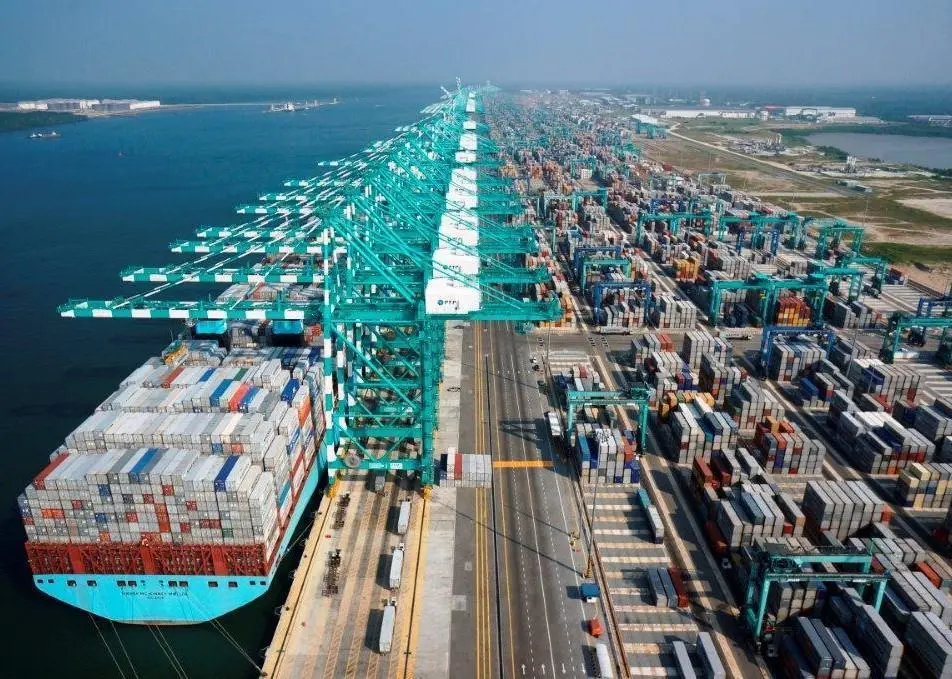
Malaysia has banned the discharge of washwater from open-loop scrubber systems in its coastal waters, joining China, Singapore, Dublin and Waterford in Ireland and Port of Fujairah in the UAE.
CSA 2020 Chairman Capt. Mike Kaczmarek, said: “We don’t know what’s behind this decision by the Malaysian Marine Department, but it was not likely science-based, as there is no evidence that would clearly support it. There also were no collaborative discussions with their global shipping partners, many of whom are very experienced with these systems.”
Maritime and port authorities have tightened environmental regulations in the lead up to the 1 January sulphur cap deadline, but Mr Kaczmarek said of Malaysia’s ban: “we do not understand the reasoning or timing, with the global sulphur cap deadline just weeks away”.
Malaysia issued the ban despite a CE Delft study, presented to the IMO’s MEPC 74 in May, concluding scrubber wash water to be a low environmental risk in ports and the Clean Shipping Alliance 2020’s confirmation in May that it has received no-objection letters from more than 20 port authorities indicating they won’t ban the use of open-loop scrubbers in their waters.
A statement published by the Malaysian Government’s marine department said: “Ships calling to the Malaysian Ports are advised to change over to compliance fuel oil or change over to close loop system (if hybrid system) before entering Malaysian Waters and Ports.”
It clarified that the ban on open loop scrubbers applies to 12 nautical miles from the nearest land.
Related Articles
 REGULATION & POLICY GREENPORT
 REGULATION & POLICY GREENPORT
 REGULATION & POLICY GREENPORT