![PortStrategy[GreenPort]](https://www.portstrategy.com/wp-content/uploads/2026/09/PortStrategyGreenPort.svg)






Entry Exit System concerns
More time is needed to set up the Entry Exit System (EES) if the smooth passage of traffic is to continue, warn passenger ports across Europe.
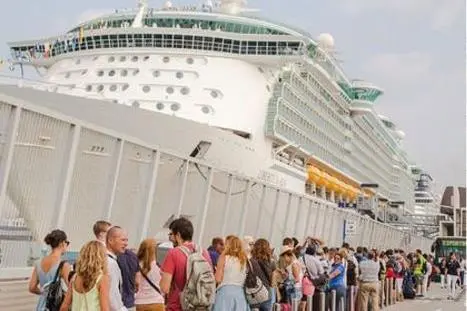
The European Sea Ports Organisation (ESPO) says that many of the conditions for the successful implementation of the EES are not yet met. Most countries are behind schedule, it says, insufficient information is available regarding infrastructure and new operational procedures, and not enough funding has been provided.
Specifically ESPO points to a lack of available space in ports for kiosks and a lack of time for passenger checks being barriers to a successful implementation and warns that a failure to address these issues might pose risks to the safe and efficient processing of passengers in port.
It says that the key conditions necessary to implement EES in passenger ports are:
- Sufficient times for member states and ports to prepare. The entry into operation should be staged and not in place before late 2024 at the earliest.
- Safety and logistical concerns around passengers crossing the border in vehicles must be addressed, with the need for passengers to leave their vehicles avoided. A digital border should be developed to maintain smooth passengers flows at border crossing points.
- Possible transitional arrangements for passengers travelling in vehicles and lorries that are compatible with existing border arrangements should be developed.
These issues should be considered when the Home and Justice Affairs Council meets in October, says ESPO, adding that European ports remain committed to the safe and effective implementation of the EES.
Related Articles
 WORLD
WORLD
 WORLD
WORLD
 PRODUCTS & SERVICES