




Is recession coming or not?
There is an argument as to whether recession is still on the way, yet many indicators suggest that it will be avoided. No one really knows which is odd.
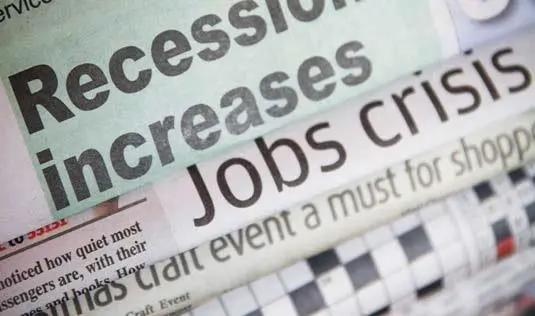
It is a tough world that we live in, with the repercussions from Covid, rising inflation, rising interest rates, wars and conflicts in Europe, the Middle East and Asia. Europe, China, and the U.S. have been struggling with fighting recessions using fiscal measures and government support to boost investment. The U.S. appears to be moving away from a possible recession, Europe continues to struggle looking for growth and China has finally seen a quarters worth of growth (if we are to believe their statistics).
As inflation increased globally, central banks had few tools to deal with it other than to raise interest rates. The strange thing is that the inflationary trend had little impact on unemployment, which has caught most economists by surprise. At the same time the economists were arguing about when the recession, brought on by high inflation and high interest rates would arrive. The problem was that no one really knew what the lag factors and timing of higher interest rates were.
There is a heated discussion as to weather the U.S. is headed for a “soft landing”, i.e., no recession as most usual signs are positive with the gross domestic product growing despite the statistical base line indicators suggesting that it should not be.
Europe is a laggard in coming up with growth. Unemployment is much higher than in the U.S. but there is a labour shortage as working from home has caused disruption in people wanting to come back to work and qualified with the gross domestic product growing despite the statistical base line indicators suggesting that it should not be.
Europe is a laggard in coming up with growth. Unemployment is much higher than in the U.S. but there is a labour shortage as working from home has caused disruption in people wanting to come back to work and qualified workers have been returning to their home countries.
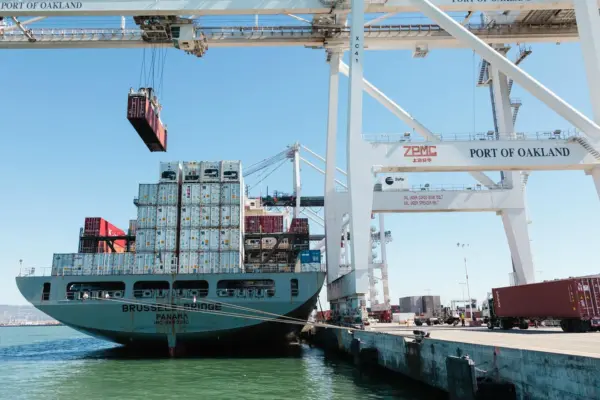
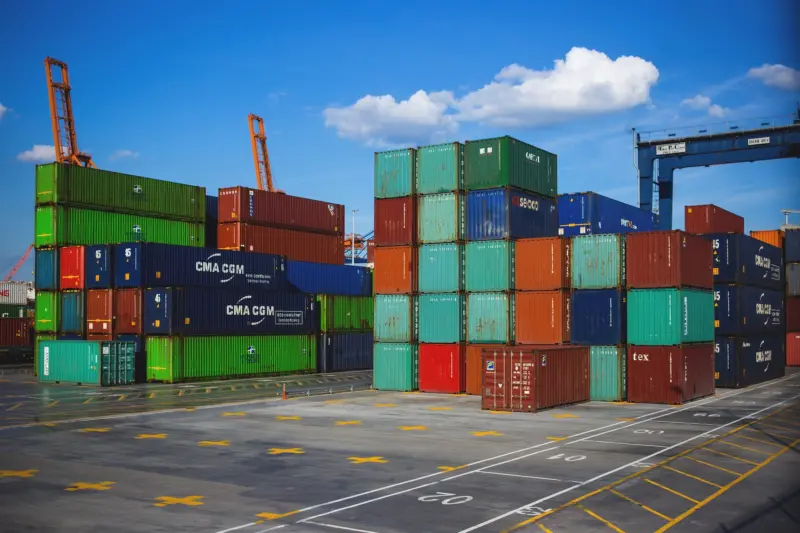
In the maritime industry there are also contradictions at play. Container lines are sitting on huge profits earned in 2022 and early 2023. Some are investing in ships, others in ports and other tertiary transportation sectors. The net result of that, in the container world, is that supply is far outrunning demand with orderbooks across many size ranges, including the 24K+ containerships running at very high levels. The difficulty here is that consumers across all continents remain pessimistic about the future and are putting their money into savings rather than discretionary durable items that keep containers full and ports busy.
There is disagreement about the future, with Hapag Lloyd taking a pessimistic view whilst others are more sanguine. We have been here before!
Related Articles
 INSIGHT & OPINION
 INSIGHT & OPINION
 PORT & TERMINAL NEWS