





Shelf life
What is the shelf-life of a simulator? GlobalSim says the first crane simulator it sold is now over ten years old and was recently upgraded, with new computers, motion controller, projector and software installed. Many of the original components could be re-used, says Clyde Stauffer.
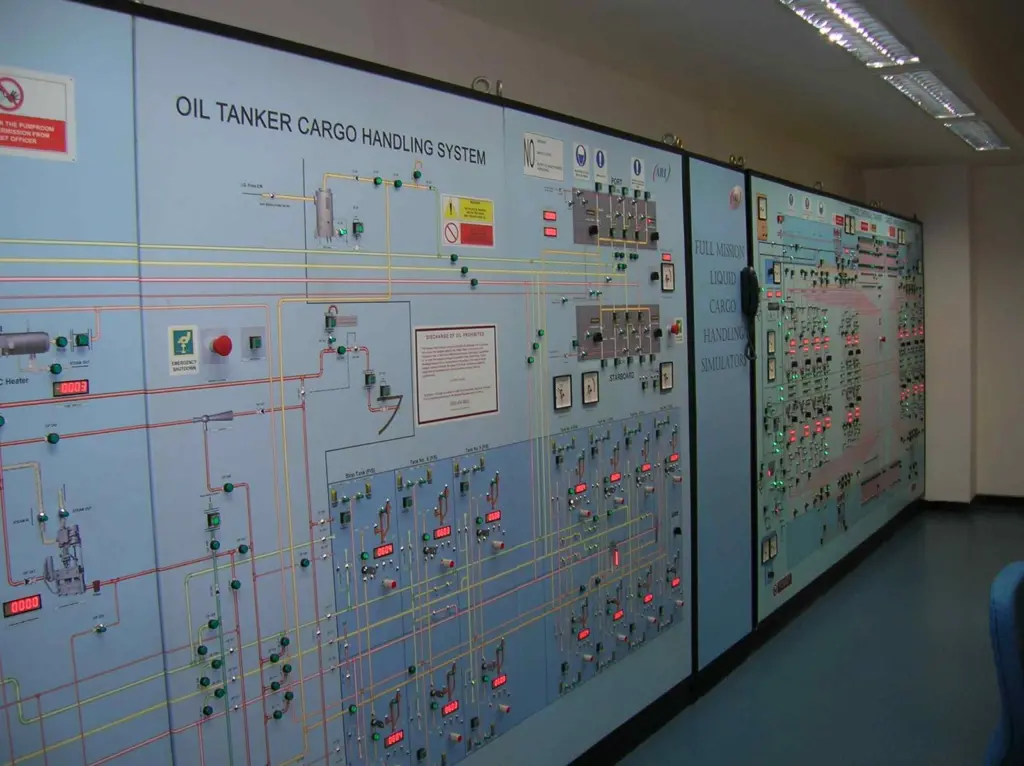
“Our experience with a wide variety of simulators for flight, maritime, surface and subsurface systems shows that it is worthwhile to perform a system upgrade from seven to ten years,” he says. “Maintenance costs are reduced, faster hardware is available, and new models have better and more features. Our extensive use of commercial off-the-shelf components and standard interfaces allows our systems to be easily upgraded.” ARI’s Shravan Rewari says the shelf life of a simulator can be “as much as the user wants it to be.
“Ten years is not uncommon, although most discerning users will want some form or another of upgrade or major revamp to keep up with the increased computing power being made available,” he says. “Generally all simulators, and specifically ARI simulators, are by design modular, scalable and expandable. ARI design ensures that any and all future upgrades, modules, areas, functionality, etc, can be seamlessly integrated with the existing system – which in effect means the user pays incrementally for only the additions and new modules and not for the entire system over and over again.”
The cost of simulators and simulation sessions has reduced to a level where it is no longer a factor in determining if the system is to be used, he adds. “While the capital and operating costs related to simulators is an insignificantly small percentage of the total port operations cost, the disaster cost of accidents and mistakes is disproportionately high. In this environment, the decision to use simulators is almost a no-brainer.”
Related Articles
 CONCESSIONS & INVESTMENTS
 CONCESSIONS & INVESTMENTS
 CONCESSIONS & INVESTMENTS