![PortStrategy[GreenPort]](https://www.portstrategy.com/wp-content/uploads/2026/09/PortStrategyGreenPort.svg)






Cancer risk from ports
A draft study produced for the California Air Resources Board (CARB) published in early October suggests that air emissions from ships and cargo handling equipment in the port of Los Angeles and Long Beach – the busiest port complex in the US – raise the risk of cancer for people living up to 15 miles inland The report by the CARB Diesel Particulate Matter Exposure Assessment Study for the Ports of Los Angeles and Long Beach, suggests that the 50,000 people living closest to the two ports face a higher-than-average risk of developing cancer because of exposure to particulate emissions, and that residents living within 15 miles of the ports face a slightly higher risk than Californians as a whole.
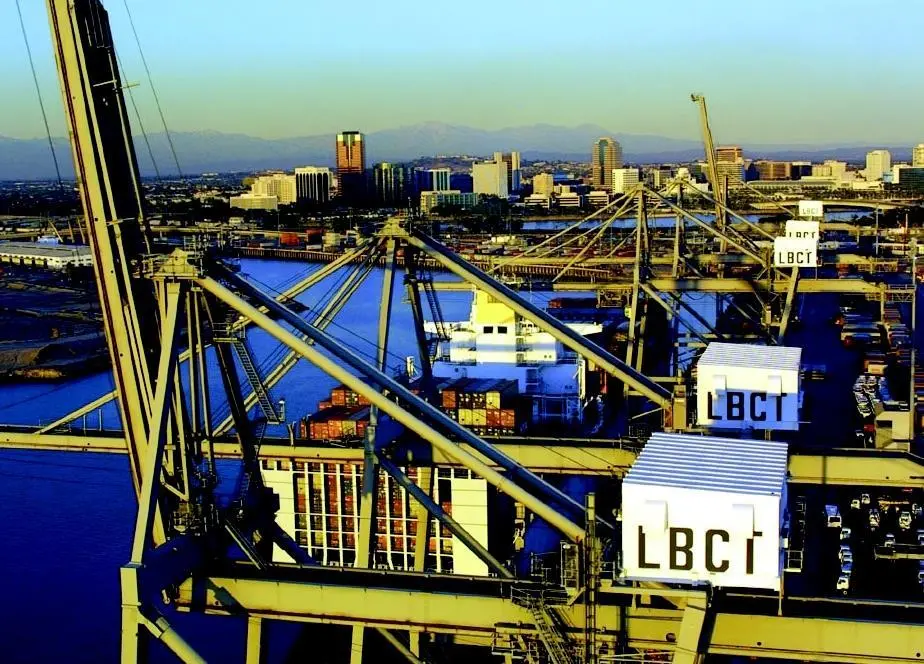
Jerry Martin, a spokesperson for the CARB, said the study means that around 100 people would contract cancer for no other reason than particulate matter from ships in the ports, and highlighted ships and cargo handling equipment – such as cranes and forklifts – as the two largest causes of diesel emissions.
Martin said the CARB was planning to introduce regulation to reduce emission for ships and from cargo handling equipment, and said the aim of the study had been to help prioritise which sources of pollution should be regulated first.
The key findings from the study include:
that the ports are a major contributor to emissions of diesel particulate matter in the area and that emissions from ship activities account for the largest percentage of emissions apart from the increased cancer threat, emissions of diesel particulate matter also contribute to other health problems such as asthma and other respiratory diseases ‘hotelling’ emissions from ships’ auxiliary engines when in port and emissions from cargo handling equipment are also primary contributors to the higher pollution related health risks near the ports emissions from commercial harbour craft, in-port trucks, in-port rail, and ocean-going vessels account for a much smaller percentage of the near source risk, but are an important contributor to elevated cancer risk levels over a very large area.
Related Articles
 CONTAINER & CARGO HANDLING
 CONTAINER & CARGO HANDLING
 BULK HANDLING