![PortStrategy[GreenPort]](https://www.portstrategy.com/wp-content/uploads/2026/09/PortStrategyGreenPort.svg)





A sea of change in China
“Reaching the world from northeast China: Port of Dandong,” booms a voice from the television in my hotel room in Shanghai, where I have arrived to spend time with people from the city’s Maritime University, one of the shipping world’s great educational institutions.
The promotional call – simple but insistent – from the growing new shipping hub in northeast Asia has already resonated: in the first month of the Year of the Dragon, cargo throughput at Dandong was a record 7.5m tonnes, a 41% increase year-on-year. To serve a wide catchment area, construction of a supplementary series of inland ports and industrial clusters has forged ahead.
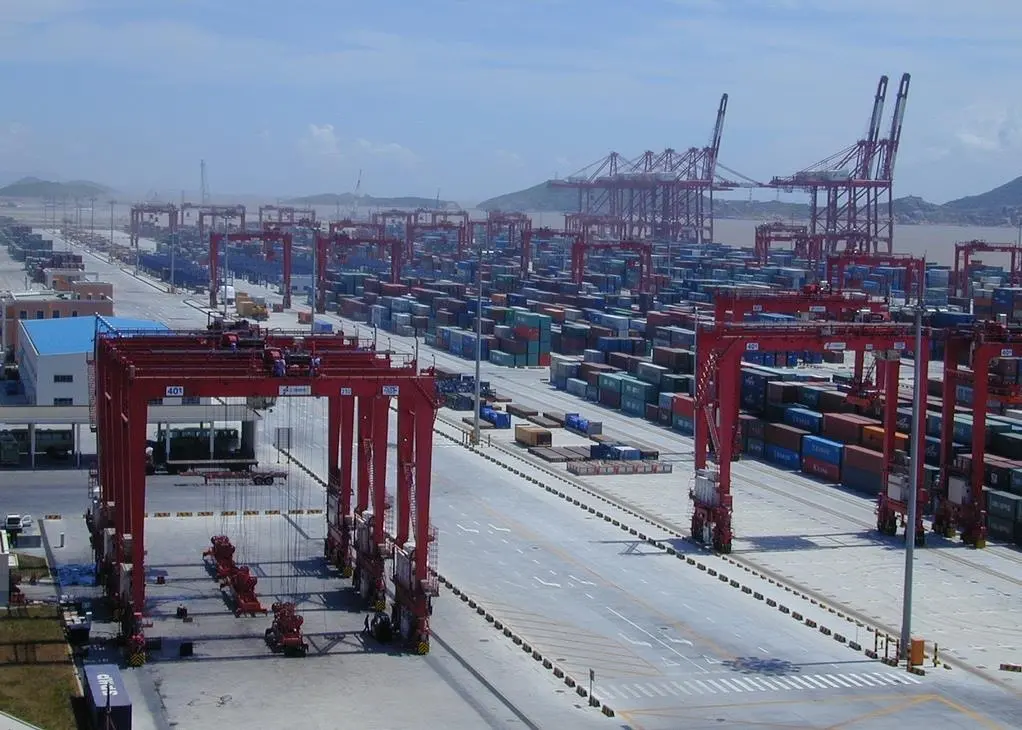
This is one of the Chinese ports to have expanded at a breathtaking rate in productivity, facilities and equipment, so that five of them have reached the volume league table of the world’s top 10 container ports. It is little wonder that Shanghai and Dalian maritime universities each have up to 25,000 students preparing for careers in all facets of the shipping industry.
China may be switching much emphasis to the domestic market and boosting its manufacturing in the west of the country, but this will hardly leave the mighty ports out on a limb. The country has a great thirst for foreign expertise and services way beyond the demand for branded consumer goods that dominate the shopping malls of the mega-cities. Closer ties with international insurance companies and brokers should prove beneficial all round, and opportunities are plentiful on the back of seaport expansion.
Loss prevention and safety management services are among areas needing attention: one of the most serious worries for insurers is the number of collisions between merchant ships and fishing vessels occurring just off the coast. In addition to the dreadful loss of life, the concerns relate to rising compensation payments, and potential blockage of access lanes to ports.
According to Won-Joon Lee, managing director at Accenture’s Asia Pacific division for infrastructure and transportation practice, the ports must prepare for a wave of change.
Customers will seek to drive down charges levied by port operators, and, according to Mr Lee, the larger ports in China will feel the impact more because they have multiple operators vying for the same work. Accenture believes that the ports of Shanghai, Shenzhen, Ningbo, Guangzhou and Qingdao must balance investment in new capacity and equipment with the promotion of geographic advantages and must focus on core competencies to stay ahead.
Mr Lee’s firm has a stake in this state of affairs: Accenture offers consulting and outsourcing services to ports and has applied its cost management systems to among others Shekou Container Terminals, a subsidiary of China Merchants Holdings. His warning of change, and the lesson from China’s implacable emphasis on education, underline that no-one should underestimate the increasing sophistication of, and challenges for, port and terminal management in China.
Related Articles
 THE INSURER
 THE INSURER
 THE INSURER