


Facing bigger challenges
Jorge Martín asks if the operational considerations of handling big ships have been properly considered
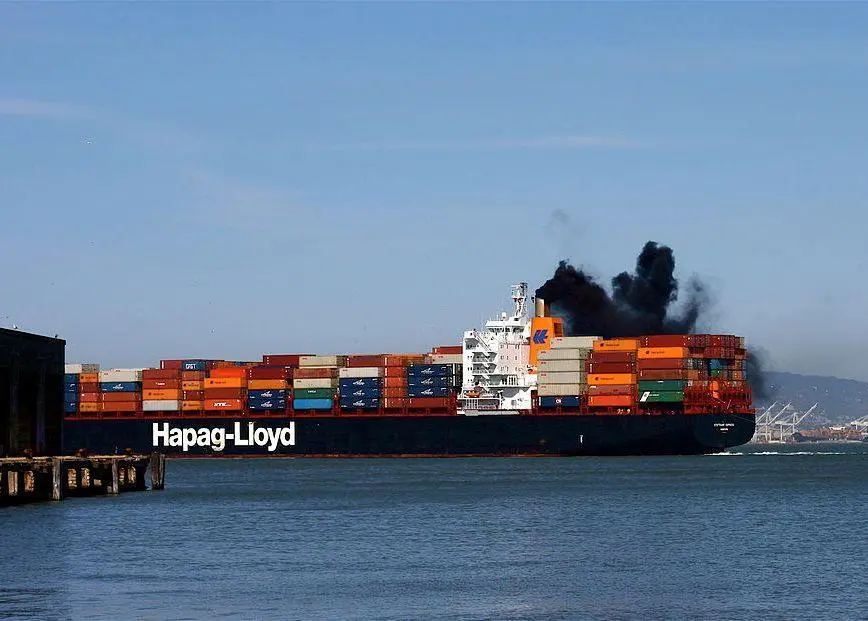
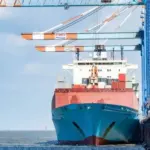
In shipping, size matters; we only need glance at initiatives ranging from the simplicity and symbolic capacity of the Greenheart one-container vessel project to the ‘state of the art’ Triple-E class vessels and their impressive 18,270 teu for proof of that.
But how do the benefits stack up when we compare the level of investment necessary for a port/terminal operator to cater for the big ships, against that necessary from shipping lines?
The new ships are being delivered into a market that is already oversupplied and into a business climate that is characterised by weak demand, low freight rates, high fuel costs, low scrap prices and tight credit.
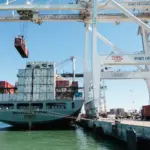
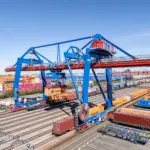
Certainly ports need to update to accommodate these mega sizes with wider and longer berths, new cranes, and bigger yards, but they will always be playing a game of catch-up with vessels sizes.
The level of investment in port infrastructure in the States is pitched to reach $3.6tr by 2020. The Port of Miami alone has already invested more than $2bn. But updating needs to go beyond infrastructure; safety improvements are also paramount.
Every angle
Are all ports ready for new scenarios, incorporating all the revised factors relating to bigger ship calls? Wash created by a large ship can be enough to cause other ships moored in a harbour to break free, while recent fires on board these extra large new generation vessels have caused serious accidents, taking an average of 10 days to extinguish or at least to get them back under control.
Also, the size and scope of the salvage challenge for ships with more than 10,000 units onboard moves them into unchartered territory, not to mention the 15,000 tonnes of heavy fuel oil needed for their own power which could pose a major problem in case of spillage.
And existing issues remain: misdeclared goods (today responsible for 24% of cargo incidents); violations involving dangerous cargoes; poor or incorrect packing (37%); and wrongly declared container masses lead to erratic centres of gravity of the ships, causing instability or even negative stability eventually forcing the vessel to capsize. While all these risks are present within our supply chain today, their effect is multiplied at a larger scale.
From the quayside perspective, lifting boxes 52 metres in the air and 20 metres below the quayside is physically demanding for a crane operator sitting in a small crane cabin far above ground. This can cause motion sickness and stress to the back and neck, which ultimately leads to increased absenteeism.
We must also consider if ports in developing economies with language barriers and limited room for manoeuvre are ready to accept these ships. If a master thinks a port is not safe, does he have the ability, unaffected by commercial pressure, to refuse to enter?
These new game-changers, or disruptive forces as some might prefer to view them, will continue to appear on the shipping horizon. Their impact will undoubtedly be profound, but we should always ensure that all stakeholders take a serious and professional approach to their introduction so that our industry remains sustainable in every sense of the word. Perhaps we should aspire to becoming an industry that offers examples of knowledge, expertise, relationships and good practices to others, rather than always being compared, usually negatively, to the airline industry.
Jorge Martín is a MBA industrial euro engineer, he holds a diploma in Port Management and has over 20 years’ experience in the shipping/ports industry. He has worked for both domestic and global companies including shipping lines and port operators, where he has held different responsibilities in operations related departments at a corporate and site level.
Related Articles
 PORT TALK
 PORT TALK
 PORT TALK