





Bumping up the agenda
TT Clubs Laurence Jones examines the effectiveness of crane anti-boom collision technology
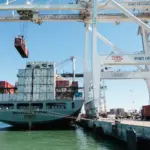
The introduction of boom anti-collision electronic sensors for use on quay cranes has undoubtedly had a beneficial impact. However, it is frustrating to note the continued regularity of this type of accident where the boom of a quay crane collides with a ship.
These collisions vary from minor impacts with the bridge of the ship to, in one instance, an incident which caused around $2m worth of damage and the crane was out of service for six months.
Since the technology to prevent these types of accidents is now well-established, it seems puzzling that terminals have not universally protected their own assets and eliminated one liability exposure. Unfortunately, the incentive generally only comes after an operator has experienced a collision.
The TT Club’s latest analysis of claims shows that this sort of accident continues to be common. Over the last seven years the TT Club have received over 300 of these boom collision claims. All types of quayside crane are at risk, including those involved in container, bulk and general cargo operations.
The most common form of boom anti-collision is a trip wire system. These devices are often what is supplied by the manufacturers when the specification asks for boom anti-collision. They are the least expensive system of their type. However, they are high maintenance due to the need to keep tension on the wire. Also, a collision will often have occurred before the device can stop the crane as, at full speed, a crane will typically take about 3.5 metres to stop and the wire is only activated about one metre from the boom. Although better than nothing, this trip wire system is far from effective and definitely not fail safe.
Electric avenue
Electronic sensors are now proven to be effective and can provide warning, slow down and stop signals to eliminate this type of accident. They should be retro-fitted to all existing cranes and specified for all new cranes. A laser sensor system from Sick Sensor Technologies is considered by most people in the industry, as the most proven and cost effective system; this is supported by the TT Club’s experts and experience. The latest sensors are simple to install and require minimum maintenance. For a cost in the region of $14,000 per crane, including installation, this is a very worthwhile investment.
However, the sensors must be installed and commissioned by someone who knows what they are doing. The TT Club has identified many situations where the sensors were installed and/or commissioned incorrectly. Crane manufacturers, terminals themselves and/or contracted third-parties have been found to be at fault.
One terminal visited by the TT Club was about to remove all their Sick sensors because of nuisance ‘trips’. The crane booms faced due east and the sensors gave false trips at 10am each morning due to the sun shining into them. A third-party had installed the sensors and was not aware that there was a commissioning set-up to prevent this problem. The correct set-up was implemented and the system then worked reliably.
Another terminal had the sensors installed on the crane front legs looking out along each side of the boom. When the boom was raised to travel over the ship’s bridge the boom anti-collision needed to be disabled. One day when this was done, the boom was not raised fully and hit the ship; again, incorrect installation and commissioning was to blame.
It is now good to see that Sick Sensor Technologies are improving their installation and commissioning instructions and also establishing a global network of approved installers.
In summary, fitting proven electronic sensor devices to all quay crane booms to prevent them accidentally colliding with ships could save the port industry millions of dollars of damage and operational downtime. But remember to have them installed by someone who knows what they are doing.
Laurence Jones is risk assessment director at the TT Club.
Related Articles
 PORT TALK
 PORT TALK
 PORT TALK