


Cargo is still king
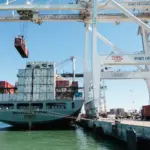
COMMENT: Across the Hudson from downtown New York, the big news in May was the arrival of three huge cranes from ZPMC at the Port Newark Container Terminal, writes Barry Parker.
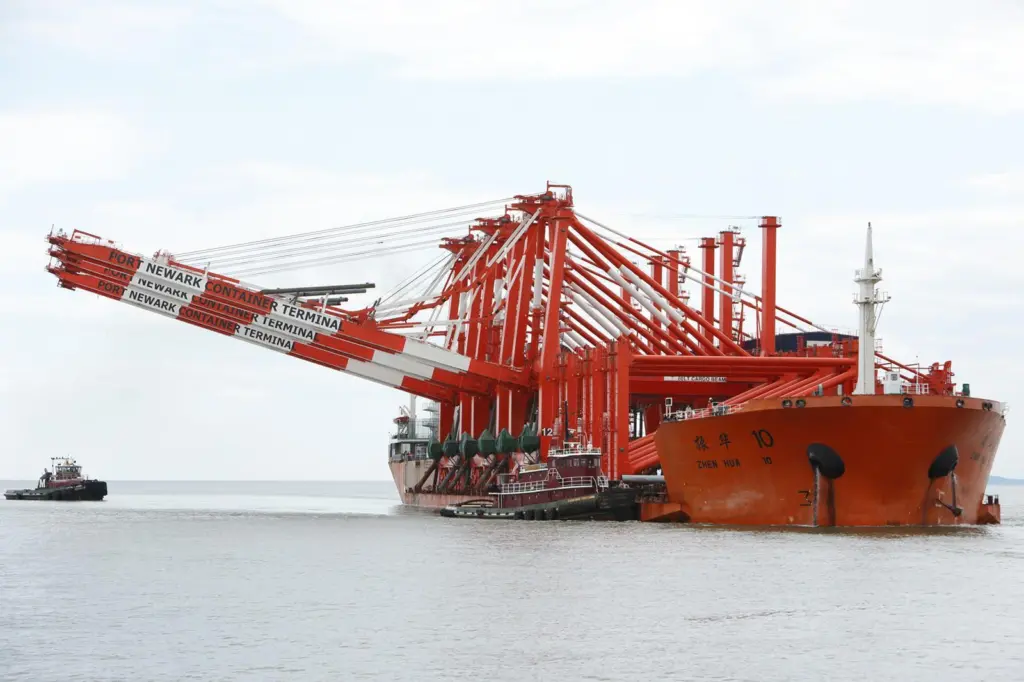
When erected, they will reach across 22 rows of boxes (rather than the current 18), enabling the facility to work behemoth ships that may call their once the Panama Canal expansion is completed
Around the same time, reports were heralding expressions of support and outright cheer, from organisations including the American Association of Port Authorities, after an unambiguous approval of the Water Resources Reform and Development Act (WRRDA) by both houses of Congress.
But hold the applause – it’s not a sure thing, just yet. This bill, which has seen an arduous path through Congress, must still be signed by the same hyper politically sensitive President. Obama continues to waiver on the all-important Keystone Pipeline; hopefully, the Washington DC horse traders will stay away from WRRDA and let it become law so that funds can flow more freely to where they are needed: harbours and rivers.
I am, once again, scratching my head and wondering why transport, logistics and port interests must fight so hard, for seemingly little gains on the ground adjacent to the waterfront, where every inch of dredging is also a challenge.
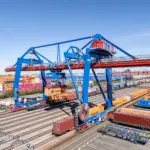
Cargo facilities stretch for miles at Asian cities that I’ve visited, where roadways connect seamlessly with terminals, and more seem to be under construction.
Though I am admittedly an outside, my scans of the local Asian press do not detect opposition from environmental organisations. In these places, where growth greatly exceeds that of the US, infrastructure is part of the successes; freight, and its movements, form the life-blood of economies. Lawmakers from the States ought to look around the docks in Kwai Tsing, which can handle something like 18m teu per year – yes, that’s more than three times New York’s annual 5.5m teu throughput.
In New York, anyway, a cooperative spirit continues to emerge: naysayers have been beaten back in Bayonne, where work has started on raising the deck to enable the passage of the bigger ships, bound for the terminals at Port Newark; and the Metropolitan Waterfront Alliance, a diverse local coalition, continues to lobby for the working waterfront, pushing back real estate interests who would build condominiums with great views of dormant docks if the developers had their way.
New Yorkers need to be reminded that cargo is king.
Related Articles
 INSIGHT & OPINION
 INSIGHT & OPINION
 INSIGHT & OPINION