


Questioning port funding attractiveness
COMMENT: One of the most sobering presentations at this year’s Marine Money conference, always held in the hottest days of June, was given by container shipping man Ron Widdows, writes Barry Parker.
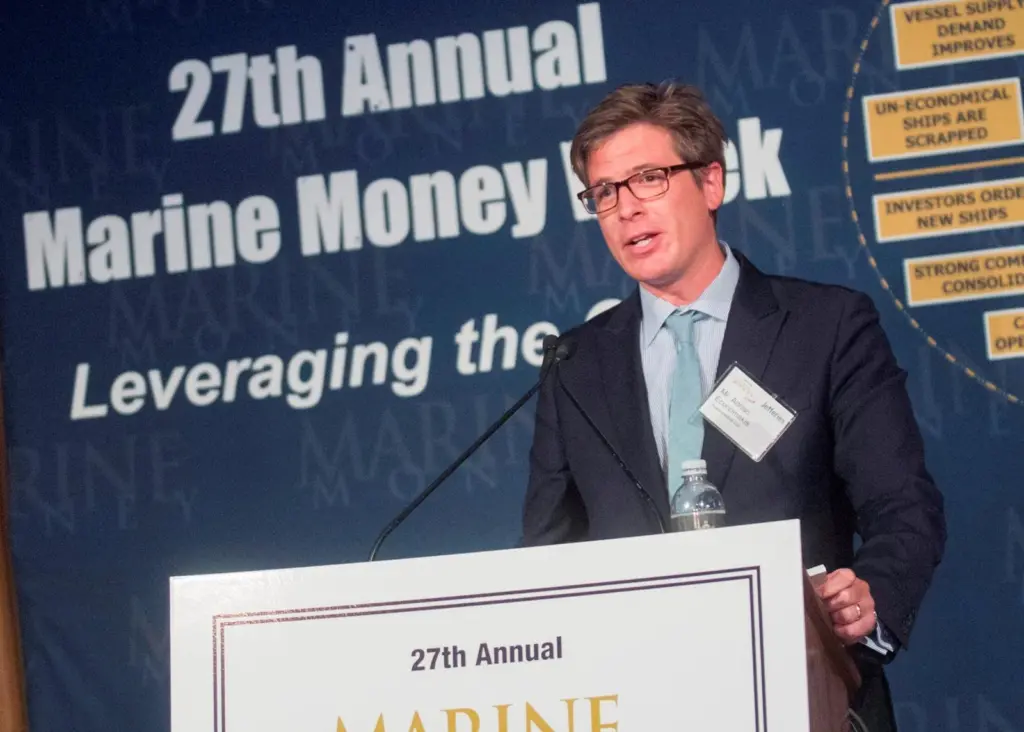
Coming a day after the Chinese government had rejected the P3 Alliance, Mr Widdows provided a view of an industry that is continually chasing its tail, spending lots of money (and energy) with little solid returns on capital.
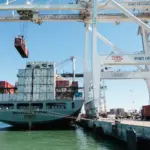
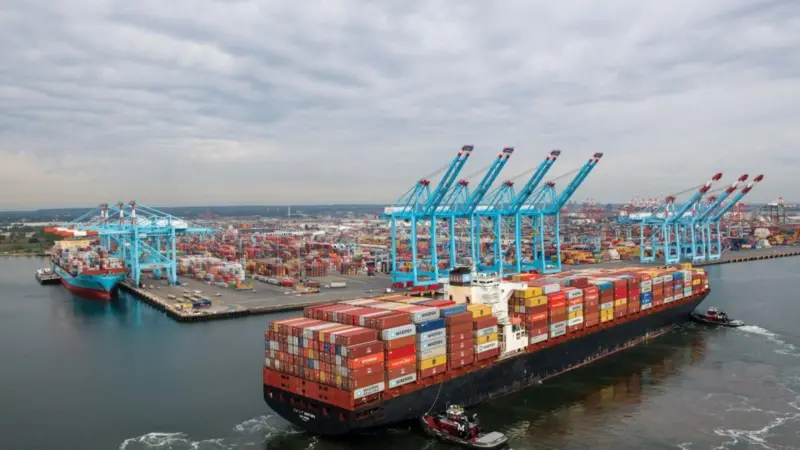
The Marine Money event, which drew over 1,300 attendees this year, came one month after another big happening in the port: the arrival at Port Newark Container Terminal (PNCT) of ZPMC container cranes worth $40m. The cranes, along with expenditures of even greater magnitude in the port, are part of efforts to ready the Port of New York-New Jersey for bigger containerships.
This year’s Marine Money event dealt heavily with private equity, a big force in funding shipping companies since 2011. Rickmers, where Mr Widdows most recently held the top slot, actually has joint ventures with both Apollo and Oaktree, both serial private equity investors in shipping companies, hoping to catch upward moves in the cycle.
But the private equity business had its flirtation with ports back in 2006-2007, boom years for all manner of shipping, seeking, at that time, to do long-term deals that would lock in outside returns. PNCT is actually owned by an investment company with ties to the insurance giant AIG, and operates under a long term lease with PANYNJ which could extend out to 2050. The financing is a true public-private partnership; while PNCT kicks in aggressively towards capital expenditures, the PANYNJ also invests alongside its tenant.
So, here’s a question: if the port’s customers – essentially the big liner companies – are in a perennial state of almost going under, why would private fund managers (who should know better) spend enormous sums of money building up infrastructure that, like its customer base, may never be able to see a proper return on capital deployed? The parallels with bulk shipping are worth more than passing contemplation.
Those hot days in June make well-dressed conference attendees sweat profusely. Perhaps investors in big port infrastructure projects should contemplate wearing the lightest clothing possible.
Related Articles
 INSIGHT & OPINION
 INSIGHT & OPINION
 INSIGHT & OPINION