


Joining the LNG fuel train
COMMENT: LNG propulsion for vessels large and small is probably the biggest shipping ‘story’ of 2014 – the trade press and conference circuit are bubbling over with news of new projects, writes Barry Parker.
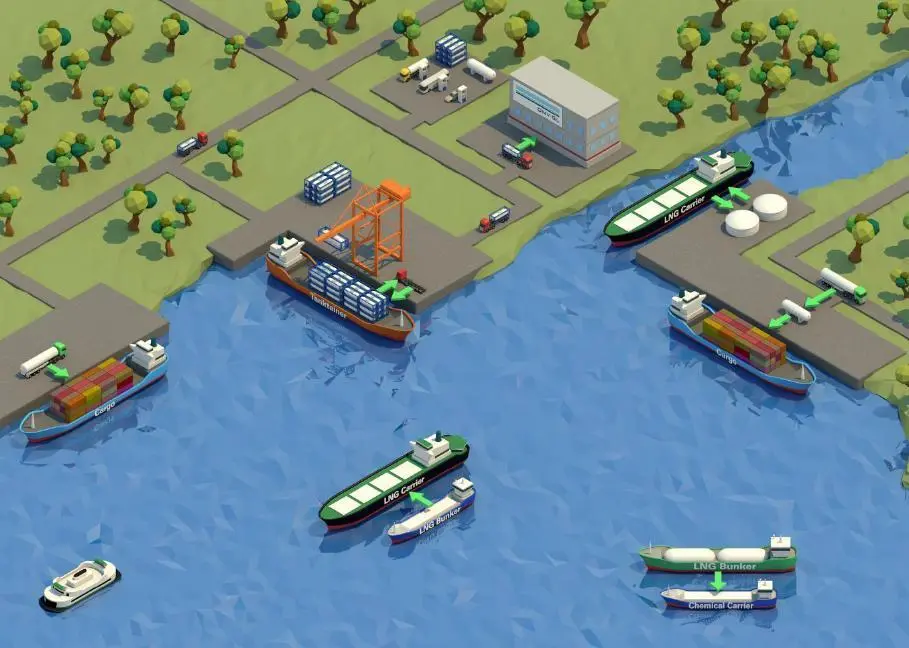
The US Maritime Administration, waking up finally after a long slumber under the previous leader, has now issued a report, authored by the Class society DNV GL, which looks at the practicalities of bringing an LNG fuelling infrastructure online.
Individual ports are recommended to “conduct an optimisation study” in order to look at the best ways to build out their fuelling infrastructure. But, unlike the well written technical guidance available, from DNV GL and others, the report urges all concerned to look holistically at issues surrounding LNG fuelling – with the overall national interest in mind.
For example, some ports may be better suited than others for LNG fuelling. Densely populated areas are to be avoided, as are harbours where emergency response might prove difficult. In previous articles, I’ve opined that that local harbour committees, composed of diverse stakeholders, need to meet, discuss and get folks onboard in the early stages of any new technology. The worst outcomes pit regulators, who have a job to do, against commercial interests, who need to keep vessels (or trucks and trains) moving.
In a refreshing burst of realism, MARAD’s report acknowledges that: “There is no single bunkering option that can meet the requirements of all port stakeholders.” Regulators are urged to work closely with industry to develop procedures and best practices – this is all very good stuff.
Long-time readers’ jaws will probably be dropping about now; it’s rare that I applaud anything from MARAD. But, I’ve met, and been impressed by the new Administrator, Paul “Chip” Jaenichen, a no-nonsense ‘can do’ type person with a military background.
At times of “disruptive innovations” (and LNG fuelling qualifies), sensible first-movers can set agendas, starting with their specific projects. Ports that embrace this report’s recommendations, working co-operatively to put LNG fuelling in place – if it’s feasible – do indeed have opportunities to enhance their competitive advantage.
Increasingly, ships are being built with future retrofitting to LNG fuelling in mind; certainly in the States, there is a huge price advantage for filling up here. Fuel is an important factor as shipowners decide which ports, exactly, they will be calling at.
Related Articles
 INSIGHT & OPINION
 INSIGHT & OPINION
 INSIGHT & OPINION