


Joining the US infrastructure dots
COMMENT: Sometimes policy disconnects need to be highlighted. At one extreme, the US West Coast docks have been near paralysed by an emerging infrastructure collapse, with the widely publicised labour difficulties bringing ports to their knees, writes Barry Parker.
With the rate of increase for vessel capacity exceeding the ability to handle more cargo, huge frictions have brought about the recent headlines about gridlock on the piers. That said, at the time of writing, reports of a five year deal are emerging.
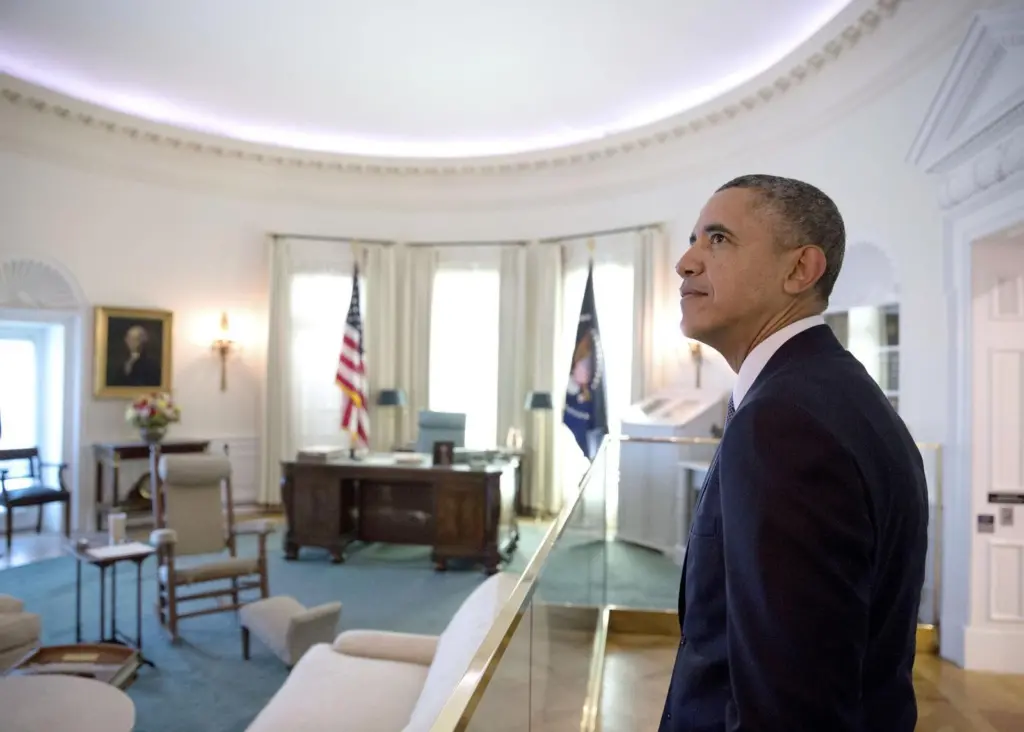
At the same time, legislators in Washington, DC are again on to the subject of ‘fast-tracking’ trade agreements. This time, it’s the Trans Pacific Partnership, or TPP, a trade deal supported by Obama and favoured by many Republicans, but widely denounced by labour interests who would normally support all things Obama.
And here’s the rub – as viewed through the eyes of an often-snarky New Yorker: opponents of the plan have likened it to a NAFTA pact on steroids; but much of the NAFTA-induced cargo moves by surface transport, ie road or rail. Yet, an increased trade area throughout the Pacific Rim, as TPP might bring about, would require a free flow of cargo.
So, when I read all the news of containers backing up, the lack of major infrastructure initiatives at the Federal level continues to puzzle me. Political and opinion polls repeatedly show that most Americans are either ignorant or uninterested in ports and cargo; it’s something that is too far away.
Objectors to the TPP, being pushed by Obama, have invoked a litany of hot buttons ranging from intellectual property issues to currency manipulation. Poorly forged supply chains do not figure in these discussions. Quite simply, the connections of trade flows with improved jobs and economic numbers are not top-of-mind for most voters – as they say “cargo does not vote”.
Ports that might benefit from increased trade, whether from TPP or simply from better economic conditions, need to continue to beat the infrastructure drum, particularly as the Administration shines the spotlight on trade.
The concept of an ‘Infrastructure Bank’, promoted by Obama during an appearance several years ago at the Port of Miami, has been non-newsworthy of late. White House policy makers, and supporters of TPP, would do well to bundle their outreach on ‘trade’ (however defined) with a fresh push on infrastructure- in this context to jolt seaborne cargo handling.
Related Articles
 INSIGHT & OPINION
 INSIGHT & OPINION
 INSIGHT & OPINION