




Carriers disconnect needs serious thought
COMMENT: What will the world of containerships look like in 2020? Or 2025? If you take the pronouncements of Boston Consulting Group (BCG) as gospel most of the big liners will have consolidated, and there will be one super-duper high-tech salt mine to handle all the vagaries of back office functions, writes Barry Parker.
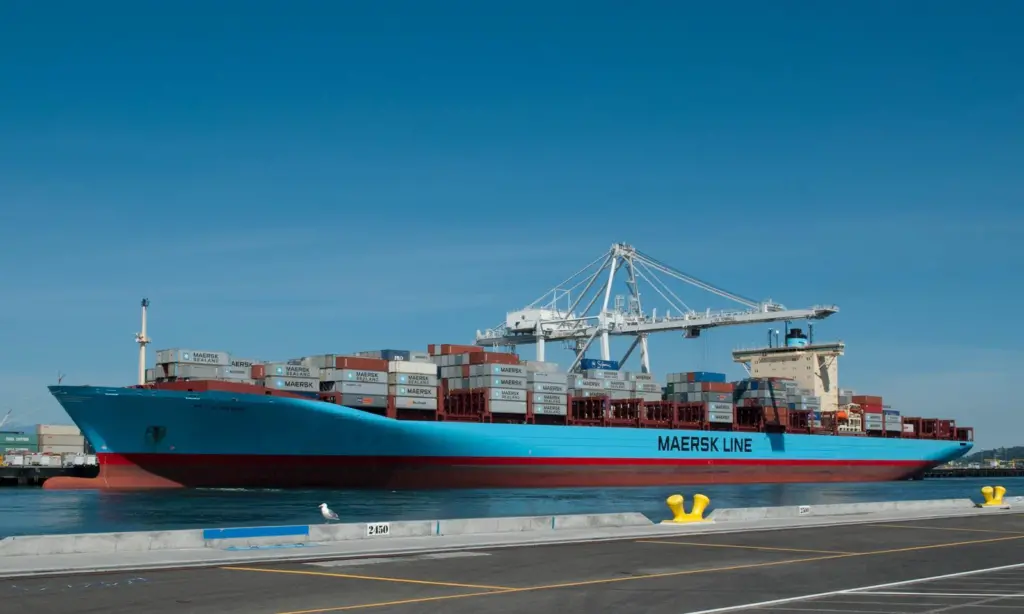
But in reading the group’s Battling Overcapacity in Container Shipping analysis there is no mention of the interface between carriers and ports. This is more than an editor’s omission; rather, it’s highly indicative of the disconnects between the carriers, which are encouraged to “jointly deploy the most economic vessels to serve specific trades, provide more departures in key ports, and achieve wider network coverage”.
BCG is one of the top strategy consultants around and, of course, can help the carriers reconfigure into the hoped for megalith alliance. So what the report does offer for port planners and executives is many ingress points for getting into the heads of the carriers. For example, carriers have a benchmarking group, developing metrics for, among other things, stays in ports. Should an august body of port representatives, armed with well presented KPI’s (fine-tuned by a BCG competitor, of course), also have a seat at this table?
Or, consider the Liberian Registry for ships, which provides ‘tax incentives’ for vessels that retrofit with environmentally friendly kit. Trucks that have reduced pollution are already rewarded in many ports. Could something similar be part of a strategy to attract vessels, furthering the incentives offered by some ports to ships that reduce emissions in port?
This might provide a spanner in the works of the BCG spreadsheets and graphics, but vessel owning companies are striving for ‘recognition’ of their good corporate citizenship, and calling out the ‘good’ vessels (it’s all positive here) might be a competitive weapon.
BCG, somewhere in between ‘Big Data’ and ‘Service Innovation’ neglected to mention that ports (in the public sector, so perhaps affording a lower revenue multiplier than the carriers) can also be agents for change management.
Infrastructure improvement in the US is a struggle for many ports, certainly in the Northeast. News reports on local TV show trucks lined up, blocking traffic and waiting for gates to open – a happy consequence of diversions from the West Coast. Attracting the big vessels, if done creatively, requires some ‘cat and mouse’ thinking, available from a few big time consultancies, I am sure.
Related Articles
 INSIGHT & OPINION
 INSIGHT & OPINION
 INSIGHT & OPINION