



New solar power at the Port of Mumbai
A new solar power initiative at APM Terminals Mumbai, the busiest container terminal at Jawaharlal Nehru Port, has been officially inaugurated.
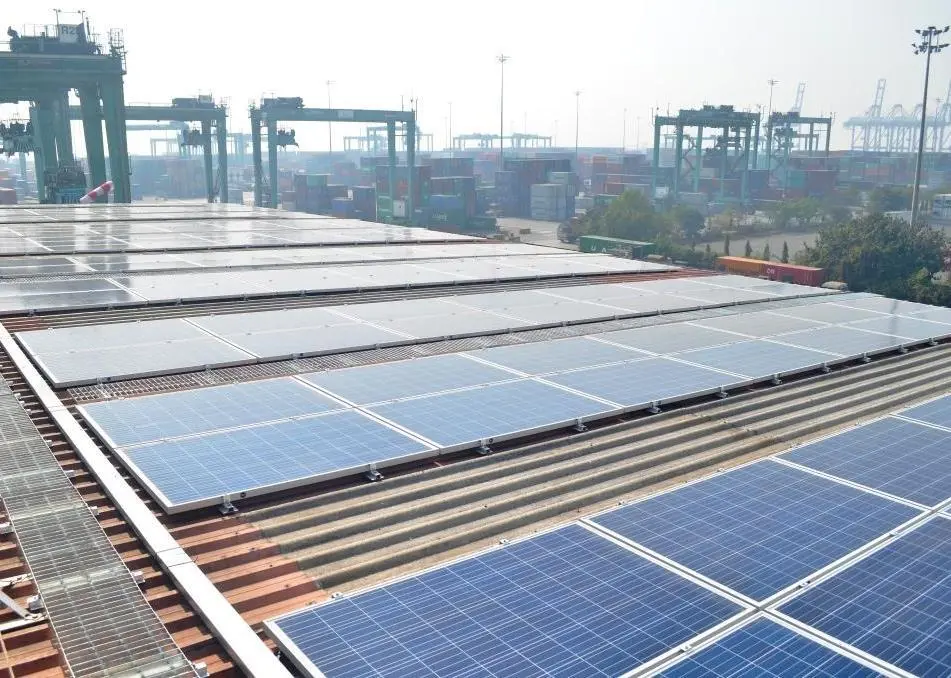
As part of a clean solar energy project, solar panels have been installed on the roofs of two terminal structures and the conversion of energy from collected sunlight into stored electricity has commenced.
“APM Terminals is always looking for opportunities to improve services and enhance environmentally sustainable business operations,” said Ravi Gaitonde, APM Terminals Mumbai’s chief operation officer.
He added: “The Mumbai Solar Panel Project reaffirms our commitment to green power and caring for the Indian environment.”
The system became fully operational on 1 January 2016 with power generation potential of 361,00kWh units per year.
It was officially inaugurated on 1 February by APM Terminals vice president, Peter Sondergaard.
The project began due to a feasibility study that was completed by the terminal in 2015 on the possibility of generating solar power to reduce conventional electrical power consumption.
Following this, Solar Panel Installation Project was then put in place to be undertaken in three phases.
The first phase, which is now under way, included the installation and implementation of the solar panels on roofs on the terminal workshop and gate complex. The second phase will see the solar panels installed on the roofs of STS crane machine houses, this is expected to be completed in June 2016.
Phase three of the project will call for panels covering wider surface areas which could result in solar generation of approximately 15% of the terminal’s total annual power requirement.
Currently, almost 70% of India’s electrical power is generated by burning fossil fuels.
Accessibility to clean, renewable energy sources is becoming increasingly important of ongoing economic growth as India’s population expands over the next 15 years.
Related Articles
 ASIA GREENPORT
 ASIA GREENPORT
 ASIA GREENPORT