![PortStrategy[GreenPort]](https://www.portstrategy.com/wp-content/uploads/2026/09/PortStrategyGreenPort.svg)





Gladstone dredging woes
Gladstone Ports Corporation (GPC) in Australia is once again bearing the brunt of the restrictions that come with being located in the vicinity of the World Heritage Site of the Great Barrier Reef.
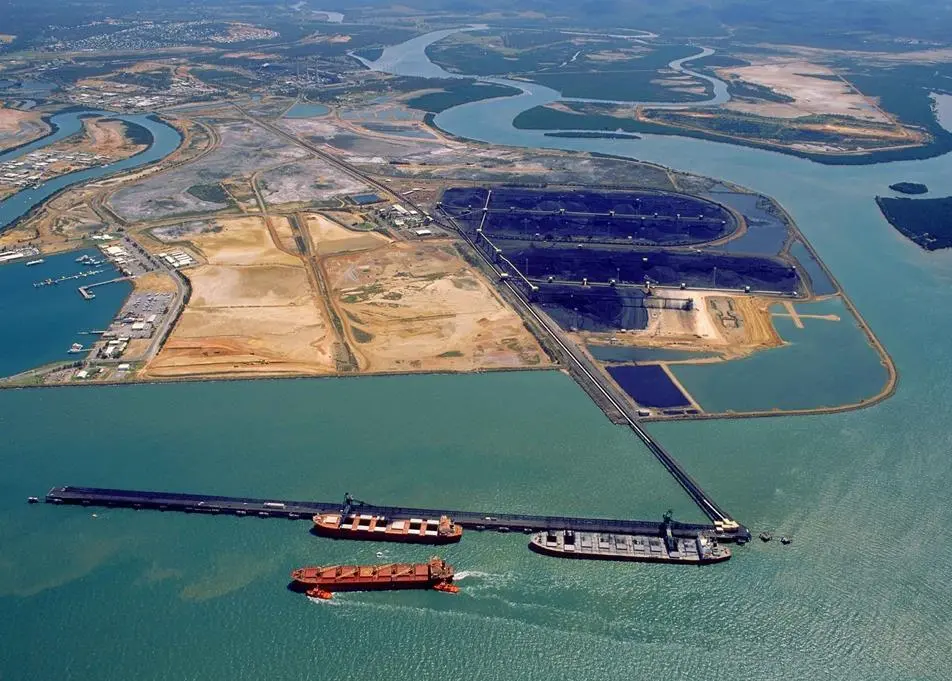
The federal government has asked the port authority to consider only onshore dumping of dredge spoils from its proposed second sea lane construction project.
This has once again stirred up the conservation debate among those who want dredging banned across the entire World Heritage area.
GPC meanwhile has been forced to reassure the local community that there have been no formal requests made to any government agencies for the placement of dredge spoil in the Great Barrier Reef or anywhere within the port boundary.
The authority’s website says that the Channel Duplication of the Gatcombe and Golding channels has been identified in GPC’s 50 year vision to facilitate potential future growth of the port. But so far, only minor initial work has been undertaken and no physical dredging has taken place.
Craig Doyle, chief executive officer, GPC, said: “GPC does not have any current plans or needs to commence physical channel duplication for the next few years at least. Gladstone Harbour in its current configuration can handle the current port trade, plus the increase in trade from the LNG projects and WICET coming online.”
He added that any future dredging plans will involve full consultation and transparency to include at least 12 months of baseline monitoring prior to any EIS submission.
Gladstone Ports Corporation has in the past criticised the restrictions that it faces as a result of world heritage status being conferred on the port, claiming that they should only apply to the Great Barrier Reef.
Meanwhile, scientists have contested against the proposed expansion of coal and gas export terminals, such as Townsville, and new major export developments, such as the multi cargo facility at Abbot Point, saying that they are detrimental to the reef.
Related Articles
 AUSTRALASIA GREENPORT
 AUSTRALASIA GREENPORT
 AUSTRALASIA GREENPORT