


Prioritising inland waterways
EU member states need to prioritise inland waterway projects as part of a sustainable transport policy because they have made too slow progress over the last 15 years.
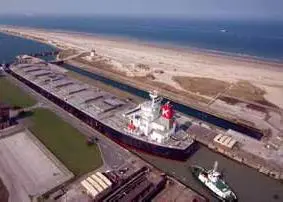
That is the view of a new report by the European Court of Auditors (ECA), which showed that projects co-funded by the European Union have not been implemented effectively with gains made at the expense of road transport minimal.
The European Commission had set inland waterways as a priority back in 2001 with its report Inland Waterway Transport in Europe. It said back then that it would concentrate on funding projects with advanced plans for eliminating bottlenecks.
But the trouble is these bottlenecks still exist in the inland waterway network and according to the ECA the cost of eliminating them is in excess of the funding available from the EU budget.
Several European organisations, including the European Sea Ports Organisation (ESPO), the European Federation of Inland Ports (EFIP) and the European Barge Union (EBU) have published an open letter regarding their concerns over possible funding concerns.
The ECA’s new report also recommends that the EC analyses the potential benefits of inland navigation and use this to co-ordinate the implementation of core European TEN-T networks across member states. It also wants member states to be required to produce detailed national inland waterway maintenance plans.
Related Articles
 REGULATION & POLICY GREENPORT
 REGULATION & POLICY GREENPORT
 REGULATION & POLICY GREENPORT