


NABU calls for stricter regulations
While awareness of air pollution from ships has increased over the years, the Nature and Biodiversity Conservation Union (NABU) says it wants to see stricter IMO regulations in the future, writes Rachael Doyle.

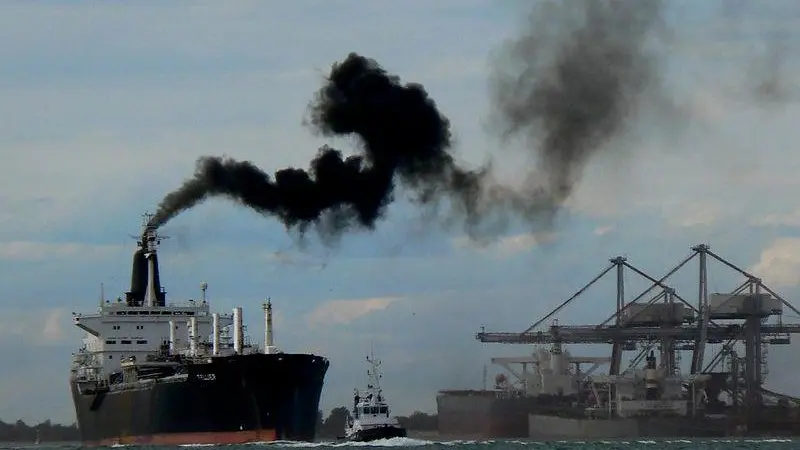
According to NABU, 90% of European citizens are exposed to air pollution, with 420,000 dying prematurely each year from bad air quality from SOx, NOx and black carbon emissions so, “there’s definitely room for improvement”.
Speaking at the IAPH conference in Hamburg this week, Alexander Porschke, president, NABU Hamburg, said: “A lot of operators say measures for ports and vessels aren’t technically or financially feasible but, it’s often a lack of knowledge rather than a lack of opportunities.”
NABU is working to highlight the negative impacts of emissions from ships, port machinery, inland ships, truck and locomotives on health, the climate and the environment which, according to NABU, include respiratory problems, an increase in the probability of cancer and Alzheimer’s, acidification of soil and the decrease of forest health.
Despite the new IMO sulphur limits in Emission Control Areas (ECAs) that came into effect on 1 January 2015, Mr Porschke said: “We want stricter IMO regulation, especially for black carbon. We also want more control for compliance and more inspections.”
At Hamburg, the port has difficulty in meeting requirements, Mr Porschke explained, but there are already measures in place to help improve the situation including an LNG barge, scrubbers, solar panels and wind turbines.
“We need an effective co-operation of ports all over the world. We’ve seen a lot of best practice measures but we now need indicators to show that enough is being done,” Mr Porschke added.
“These measures might be more expensive for ports and operators, but no action is more expensive for citizens and the environment,” Mr Porschke concluded.
Related Articles
 REGULATION & POLICY GREENPORT
 REGULATION & POLICY GREENPORT
 REGULATION & POLICY GREENPORT