



UK ports muted on Brexit update
The response from UK ports was muted to Theresa May’s long-awaited Brexit speech, which took place yesterday at Lancaster House, Westminster, in front of an audience of EU ambassadors.
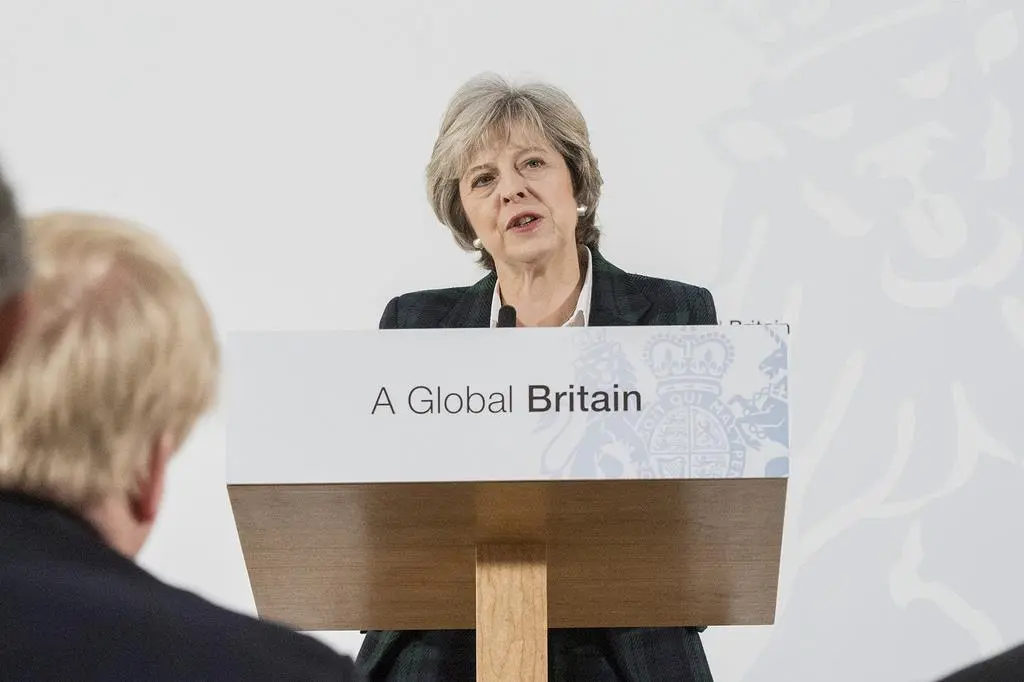
In her speech, Mrs May confirmed that Britain will leave the EU’s single market and withdraw from the principle of free movement, but intends for the UK to remain close to its “friends and allies” in the continent.
Britain will seek a new and equal partnership between an independent, self-governing, global Britain and the EU, as part of efforts to ensure Brexit leads to tariff-free trade and “the freest possible trade in goods and services between Britain and the EU’s member states”, she said.
An ABP spokesman said to Port Strategy: “ABP is committed to helping the government make Brexit a success. This includes maximising the UK’s opportunities for trade and increasing our exports.”
The British Ports Association was more pessimistic in its response. Chief executive Richard Ballantyne said: “The Brexit vote and Theresa May’s speech prompts a wider debate as to what the UK’s future trade and customs policy will be. With the Prime Minister indicating that the UK will be leaving the Single Market, the issues and implications of this for UK ports are centred around increased Government border activities which could lead to disruption on goods and logistics flows at ports. We will be discussing with government how the re-introduction of customs and VAT declaration requirements on intra EU routes can be best managed at the border.”
He continued: “There are different Brexit related challenges and opportunities for ports across the UK. Many ports with intra EU trade will welcome the indication from Mrs May that the UK would look to negotiate a deal that would allow a future free trade agreement with the EU.
Meanwhile, the Freight Transport Association (FTA) has welcomed Mrs May’s commitment to tariff-free and frictionless trade with the EU, and to ambitious free trade agreements with other partners globally.
“Her statement allows FTA to identify where the new ‘friction points’ in international trade could occur and work with the government to negotiate the best possible outcome for UK businesses,” FTA said in a statement.
The British International Freight Association (BIFA), however, has said that while Theresa May’s speech has delivered some clarity on the UK’s plans to leave the European Union’s single market, it remained short on the details that will assist its members as they go about their business of managing much of the UK’s visible international trade, and particularly on the mechanics that will underpin Mrs May’s desire for ‘tariff-free and frictionless trade’.
Related Articles
 PORT & TERMINAL NEWS
 PORT & TERMINAL NEWS
 PORT & TERMINAL NEWS