


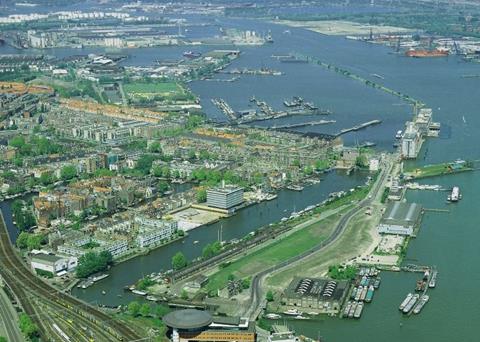
The Port of Amsterdam is closely monitoring the new biofuel initiative as it aims to achieve the best possible air quality at the port.
The two-year biofuel initiative was launched on 7 October, it is the joint work of Boskalis, Wärtsilä and GoodFuels Marine and is supported by both the ports of Amsterdam and Rotterdam.
Micha Hes, at the Port of Amsterdam, told GreenPort: “We are developing a clean shipping policy in the port including measuring impact from the emissions. We are supporting GoodFuels initiative and study, we feel it may be able to help with lowering emissions and air quality at the port.”
He added: “LNG, and other alternative fuels might also be good alternatives for clean shipping. Some shipowners will change to biofuels, some to LNG, but we as a port are aiming for the best air quality available and will leave it to the market to decide.”
The new initiative will carry out extensive testing of three types of next generation biofuels in order to find a biofuel that will play a viable role in reducing emissions.
“As an energy port Amsterdam has a strong position in the market for petrol and gasoil, and we already have a lot in place for biofuels,” said Mr Hes.
He believed that the biggest challenge the port faced in the development of the biofuels market was insuring the infrastructure is ready.
“Our biggest challenge is not the active development of the biofuel market, we will play our role once it starts developing. Our challenge is to make sure we have the infrastructure ready.”
The port will continue to be aware of the specifications of different types of biofuels and define what fuel it would like to have come into the port, or be produced by the port. The Port of Amsterdam already has plant in place which is producing biodiesel.
“What we need to do is make sure that we have the capacity and infrastructure to improve our emissions whether it be Biofuels or LNG. We need to have bunker facilities and even better production facilities,” Mr Hes continued.
He concluded: “We will work together with the customers on what they need from us as a landlord port. While the market develops we need to be proactive and aim for the best air quality possible at the port.”

